
// Faction Intel — Select File
9 Files · Signal OK
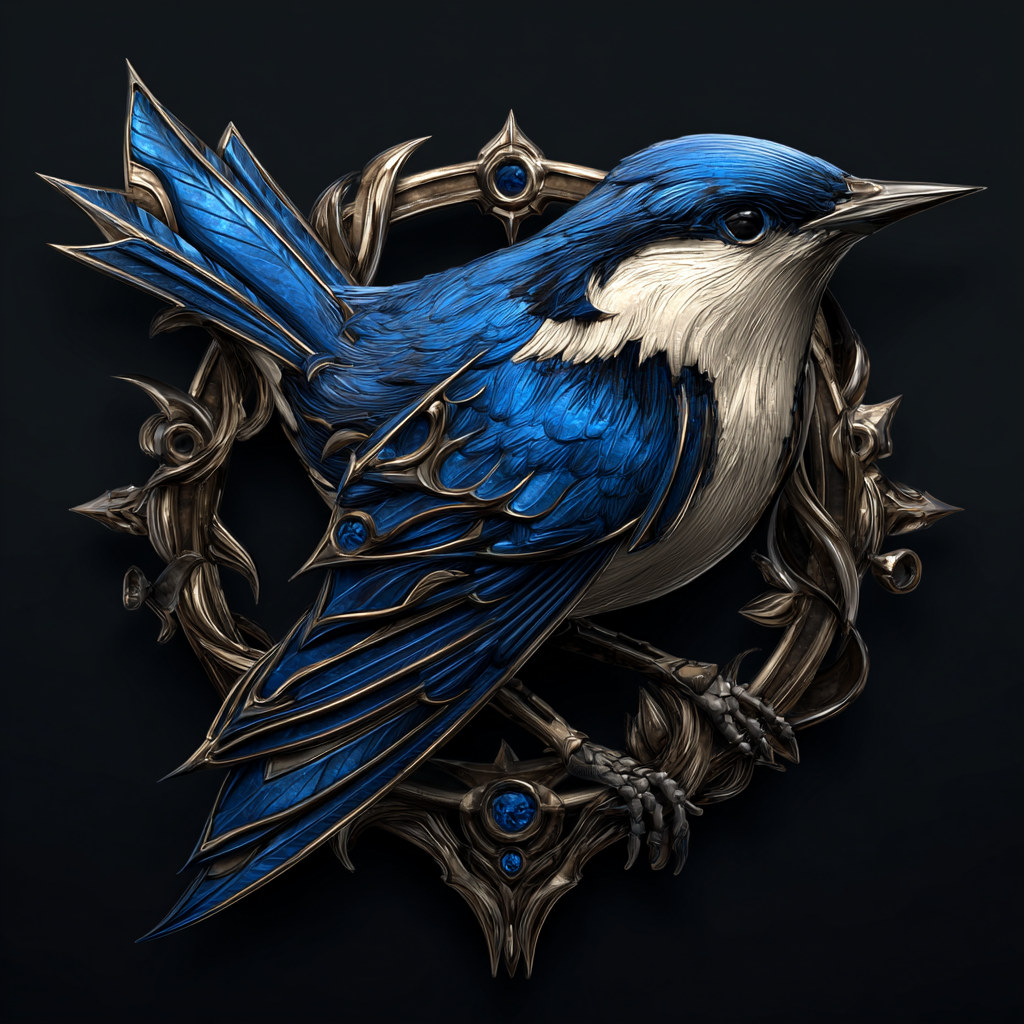 Horde sigil · the Moon Dipper
Nucleus Faction Registry · File JH
Jökull Horde ᛃᛟᚲᚢᛚ
Divergent Horde · the Nordic resistance · Europa
The Nordlings who refused to kneel.
In 2284 the Fenris Horde took the Nordic Commonwealth in a night. Hours later a second Horde walked out of a laboratory on Europa to fight it. Eleven years on, about a million and a half people and creatures hold an eighth of one moon against billions. They ride crabs into battle, let groundhogs do the cooking, and give every bear a name. They want one thing, and it is their homes back.
“Still here. Still fighting. Still free.”
18+ This file covers a people at war, reproductive technology described in plain terms, and a faith whose founding mother is shown bare-breasted. All of it is fiction.
// 01 — Doctrine
How the Horde holds
The Jökull cannot afford to trade bodies, so nothing in it is expendable. Every Krabba is raised for years. Every Stormbryter has a name. The line forms around creatures built to take the hit, so that the people beside them do not have to. Moon Dippers find the enemy, Krabba pin him in place, and Nordgårds fire from behind the shells and from the saddle. When a day simply has to be won, a Glacierwurm comes up through the ice.
Its creatures are partners, not stock. No Jökull Radi-Mon is bred from a captive. They come from the Hylki, from eggs that women give freely, and the soldiers who fight beside them talk about them as friends. A fallen Krabba gets funeral rites. That is the whole difference between this Horde and the one it is fighting.
The leader and the people are not the same thing. Dagny Fjeld is brilliant and worn thin. She holds that only Nordlings can fight this war, and she has turned away every ally who offered. Most of the people who follow her do not agree. In Ulrik Stormhelm’s words: “Most of us locals are quite open to sharing a beer, or a bed, with anyone who can swing an axe or cast a few spells properly.”
- Living bulwarks. A Krabba’s shell shrugs off sustained gauss fire. Whole formations are built around one.
- Home ice. Everything in the Horde is bred for cold. Dippers step through frozen lakes, and Glacierwurms tunnel under the enemy.
- Winterborn. Officers who command any Hylki-born creature by scent and voice, cast frost, and are very hard to kill.
- No captives. The Hylki needs no prisoners. There is no Barrow to starve, and nothing for a rescuer to liberate.
- A reach for the sky. A Glacierwurm’s freezing breath carries high enough to trouble a battlecruiser.
- Conviction. Eleven years against billions, and people still cross the Sol System every season to join.
- Few. Forty-seven Stormbryters and seven Glacierwurms. Every loss is counted by name.
- Slow to replace. The Hylki makes far fewer creatures than a Fenris Barrow, and a Krabba takes years to train.
- Alone by choice. Dagny calls the war a family matter for Nordlings and has refused every outside alliance.
- One pair of hands. Only Dagny and a few trusted scientists can run the Hylki. Nothing is born without her approval.
- What survival costs. Hylki children grow up in nine weeks and struggle with their emotions for life. Everyone knows it.
- Berserkers. An old or strong Stormbryter can lose itself and turn on friend and foe alike.
- Branded. The government that rules the Commonwealth calls them terrorists, and the Atomic Accord has hidden their testimony.
// 02 — Order of Battle
What they field
A small army in which every creature is known by name. The runes beside each title are Old Norse, written in the Elder Futhark. Tiers follow the Codex class lines.
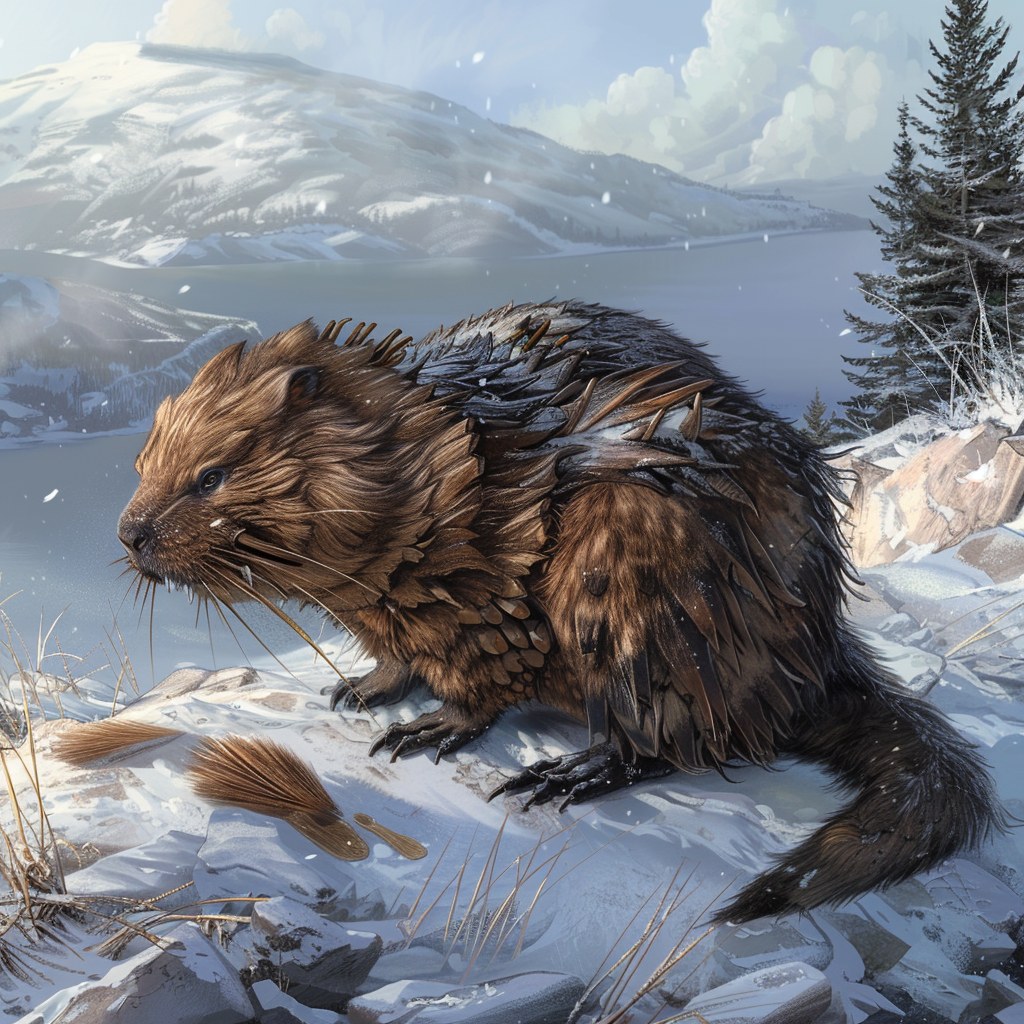
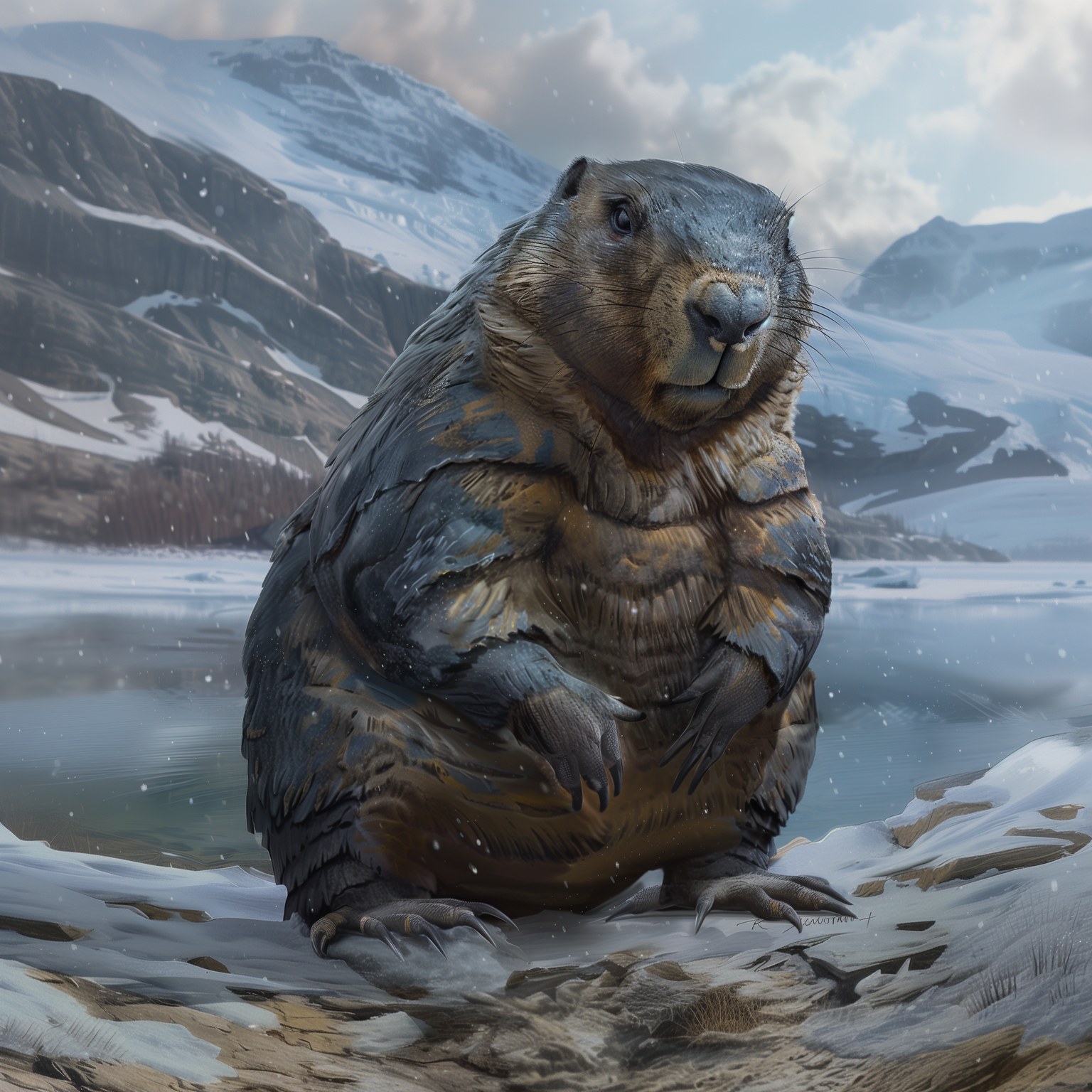
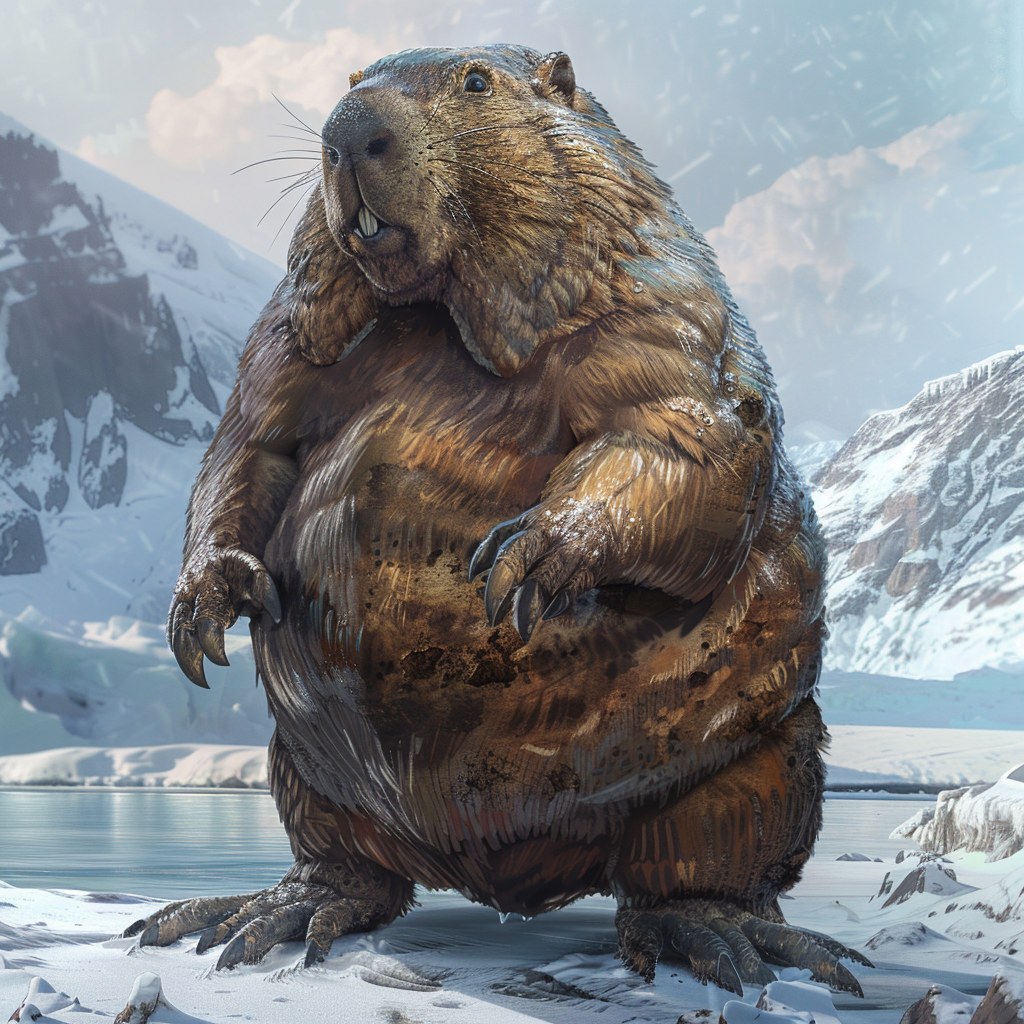
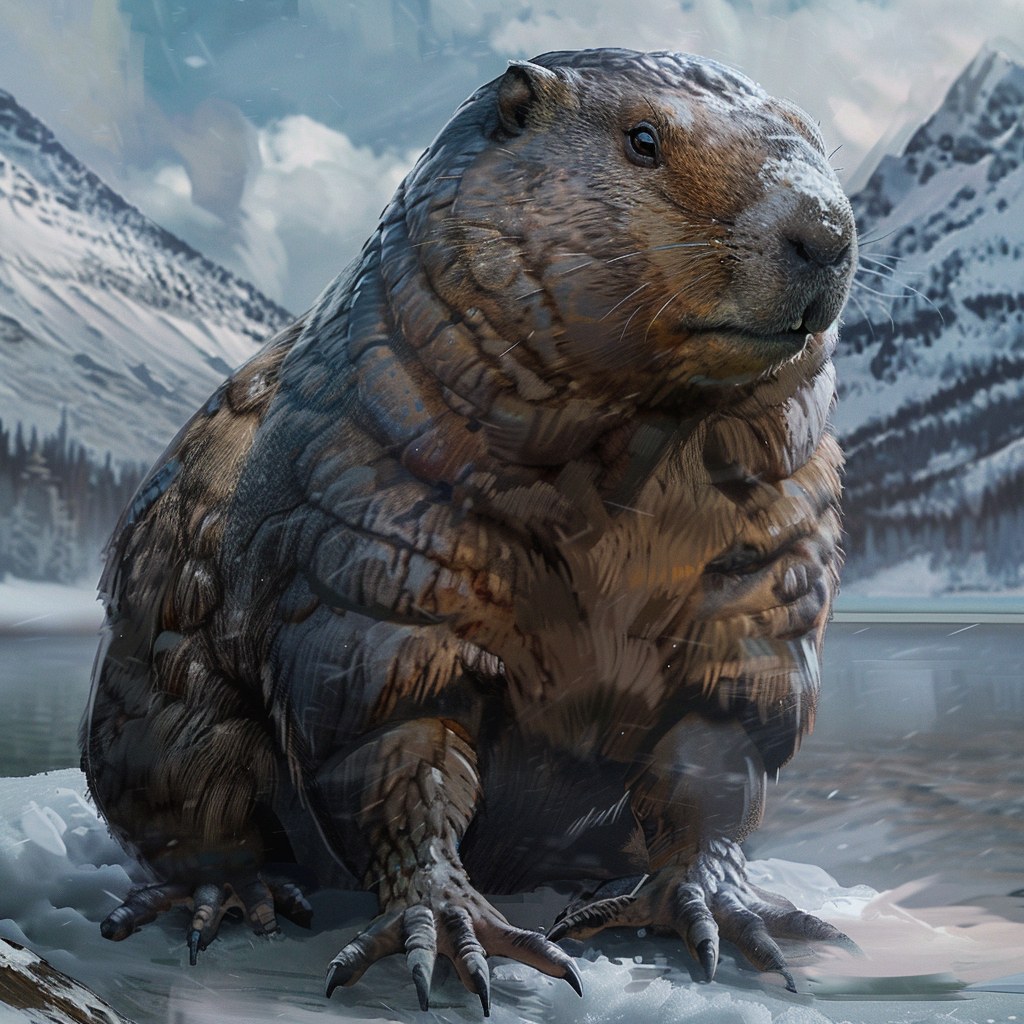
Grávomb on the snowline
// Unit Record 01 · Jökull Horde
Grávomb ᚷᚱᚨᚹᛟᛗᛒ
The Snow Burrower. An armored cross between a beaver and a groundhog that builds the camps, mines the Zephyrium, and will not hurt a living thing.
- Building and resupply. They carry ammunition up to the Nordgård line
- Finding Zephyrium veins and safe routes
- Dinner
- Any fight at all
- Being left behind when a camp moves in a hurry
Grávombs are why a Jökull camp has walls, heat and a hot meal. They dig, haul, mend machinery and keep the ground around a settlement alive, from Europa’s shelf to the hidden camps on Earth.
“Some of the best cooks I’ve ever known can’t speak and have four legs. One named Olav makes a fish stew that’d make you weep.”Ivar’s note: Olav specifically asked me to note he is quite proud of his fish stew.— Ulrik Stormhelm, recorded interview, 2295
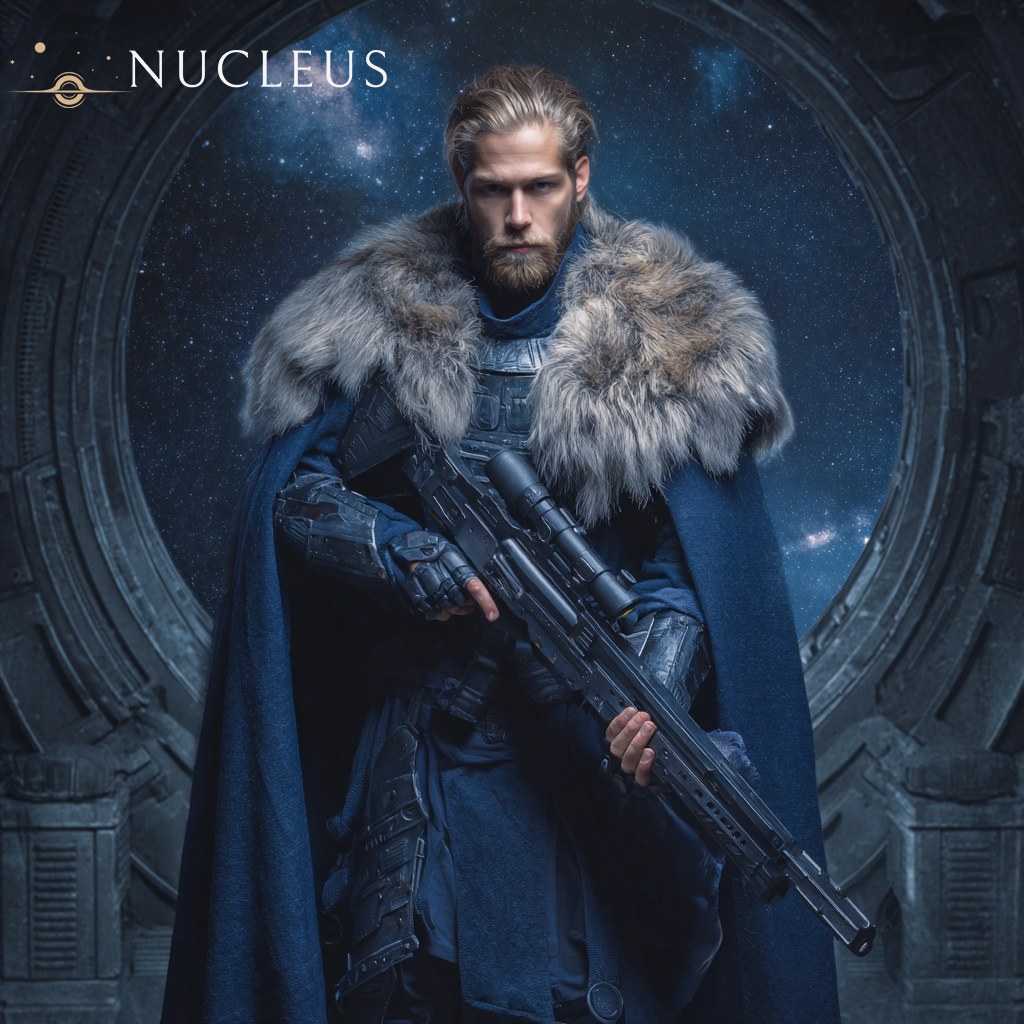
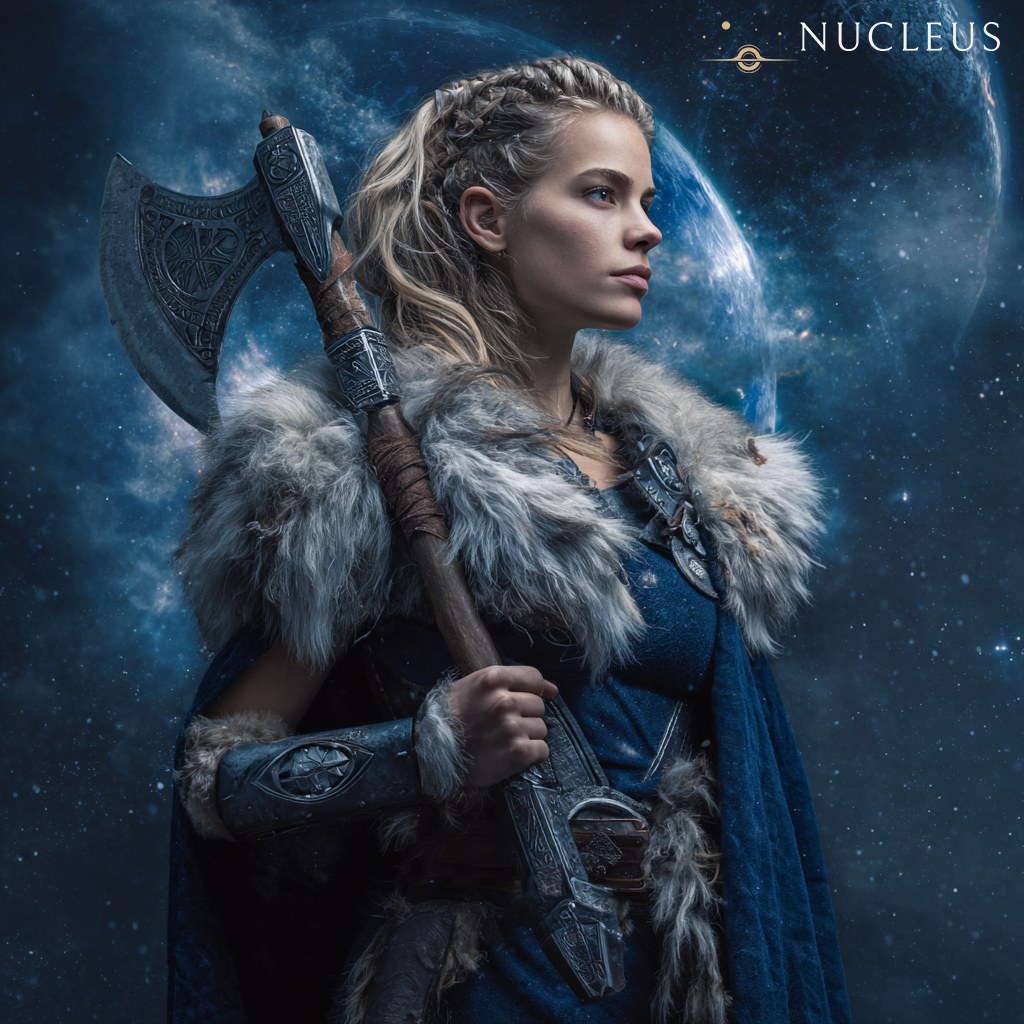
Nordgård — ice-bear cloak and AGBAR
// Unit Record 02 · Jökull Horde
Nordgård ᚾᛟᚱᛞᚷᚨᚱᛞᚱ
Once the title of the Commonwealth’s citizen-soldiers. Now it means the humans who stand beside Jökull Radi-Mons as the last defenders of Nordic freedom.
- Holding a line with disciplined volleys
- Charging in beside a Krabba pack, or on top of one
- Knowing the ice better than anyone attacking it
- Numbers. There are not many left
- Psionic attack, without a Winterborn or an Ísmarr nearby
Before 2284 the Nordgårds were militia: defenders of Europa, Titan and the frozen homesteads of the ice moons. When Princess Dagny raised her banner, thousands of them came to it, and brought their rifles, their families and their oaths.
They are the anchor of every Jökull formation. Grávombs bring up their ammunition, Krabba give them moving cover, and Glacierwurms dig the routes for the ambushes they spring. The best of them learn to ride.
“We’re not conquerors. We’re not trying to rule anyone. We just want our homes back.”— Ulrik Stormhelm, recorded interview, 2295
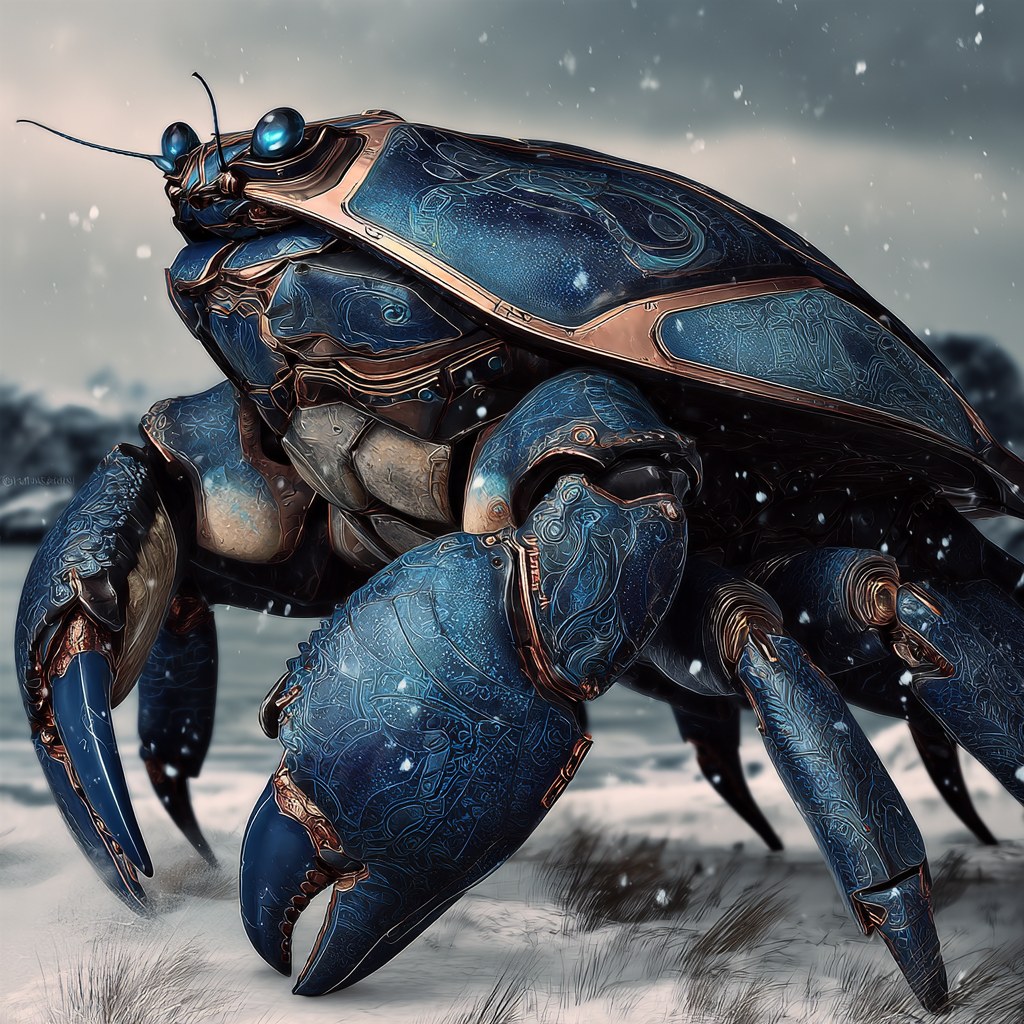
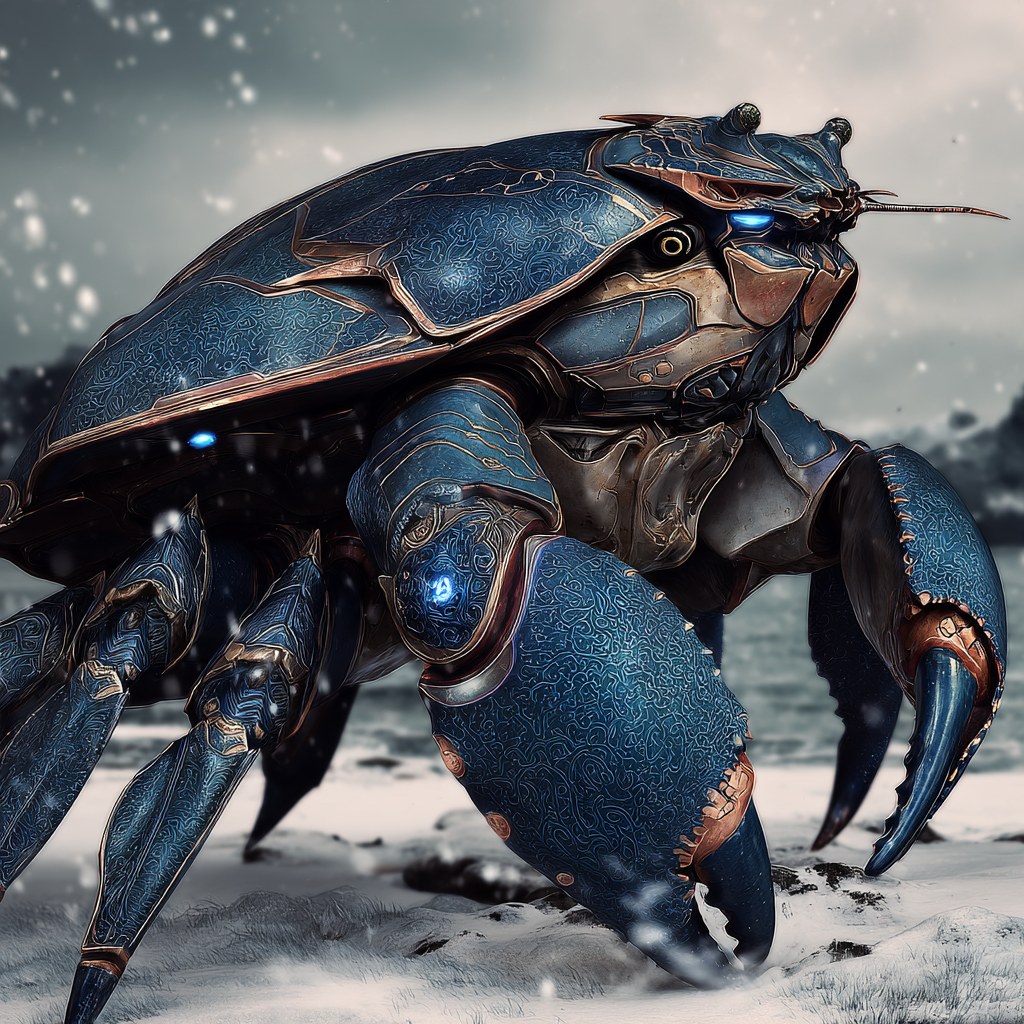
Krabba on the Europan shore
// Unit Record 03 · Jökull Horde
Krabba ᚲᚱᚨᛒᛁ
A sapphire-blue crab the size of a small car, with Norse knotwork grown into its shell. The Horde’s shield wall, and its cavalry.
- Holding a chokepoint
- Leading a charge. Krabba-back charges have broken formations before contact
- Making a safe place for lighter units to fight from
- Speed
- Being replaced. Each one is years of work
Other Hordes spend their swarms. The Jökull raise each Krabba as a soldier, and the old ones grow characters of their own: some eager, some patient. Nordgårds speak of their Krabba the way other peoples speak of horses.
After a battle the riders clean the shells and check them for cracks before they see to themselves. A Krabba that falls is given funeral rites, and its shell is forged into armor for the next Nordling to take the field.
“Some of the best friends I’ve ever had don’t speak a word of any human tongue.”— Ulrik Stormhelm, recorded interview, 2295
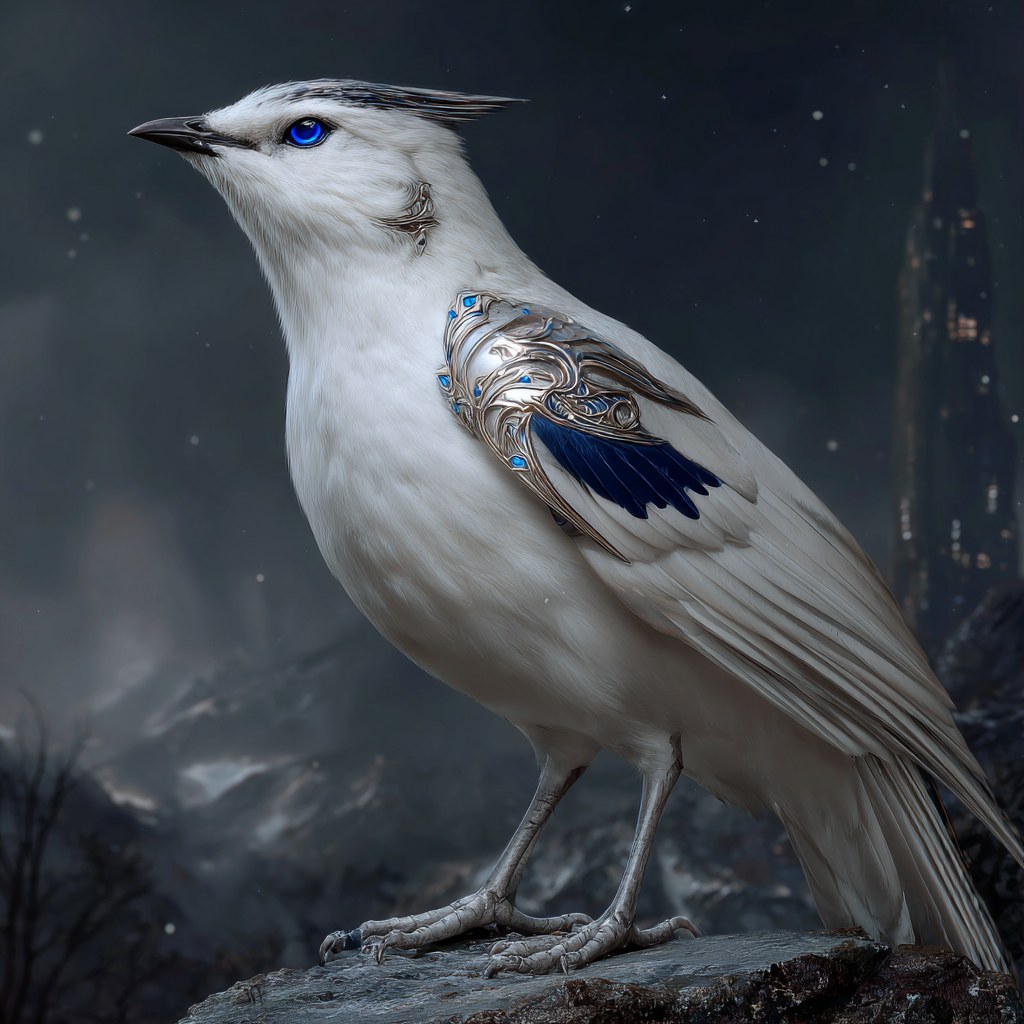
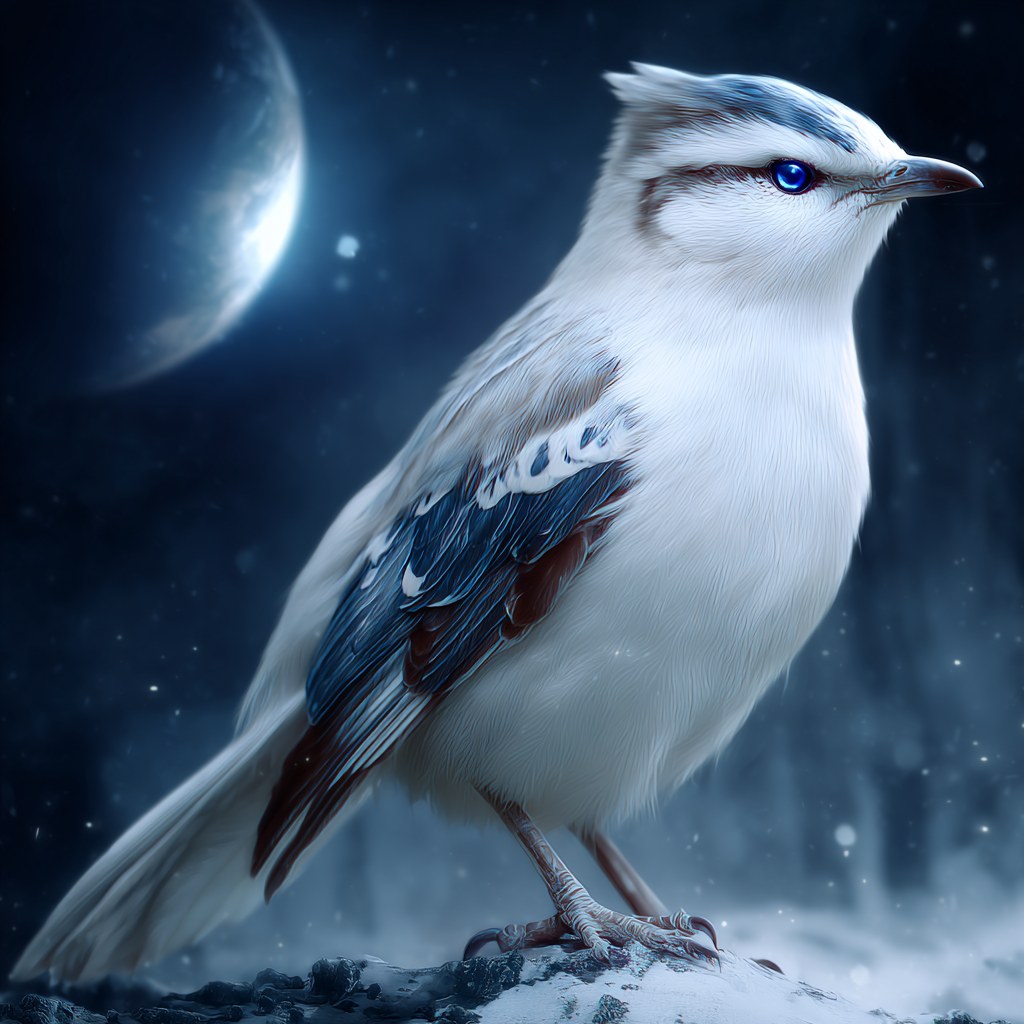
Moon Dipper
// Unit Record 04 · Jökull Horde
Moon Dipper ᛗᚨᚾᛁ
Månedykker. A hawk-sized white bird that spits ice and steps through frozen water. Its song is usually the only warning of a Jökull ambush.
- Forward scouting
- Marking a target with frost that slows it for the heavier units
- Being impossible to pin down
- Sustained fire. It is cheap to field and fragile
- Dry, warm ground with nothing to dive into
It is the bird on the Horde’s sigil. The dipper’s old habit of diving under river ice survived the change, and became the trick that makes it so hard to kill: a flock vanishes into a snowbank and sings from somewhere else.
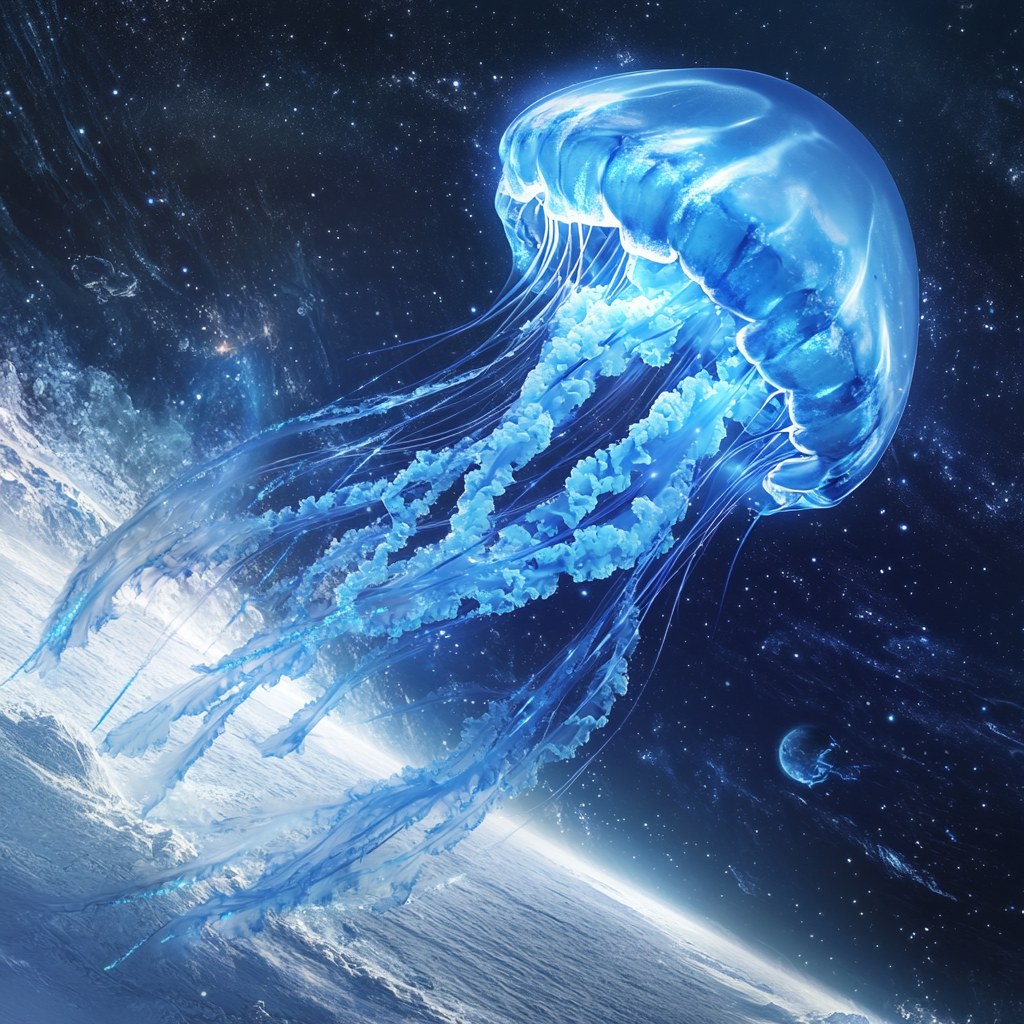
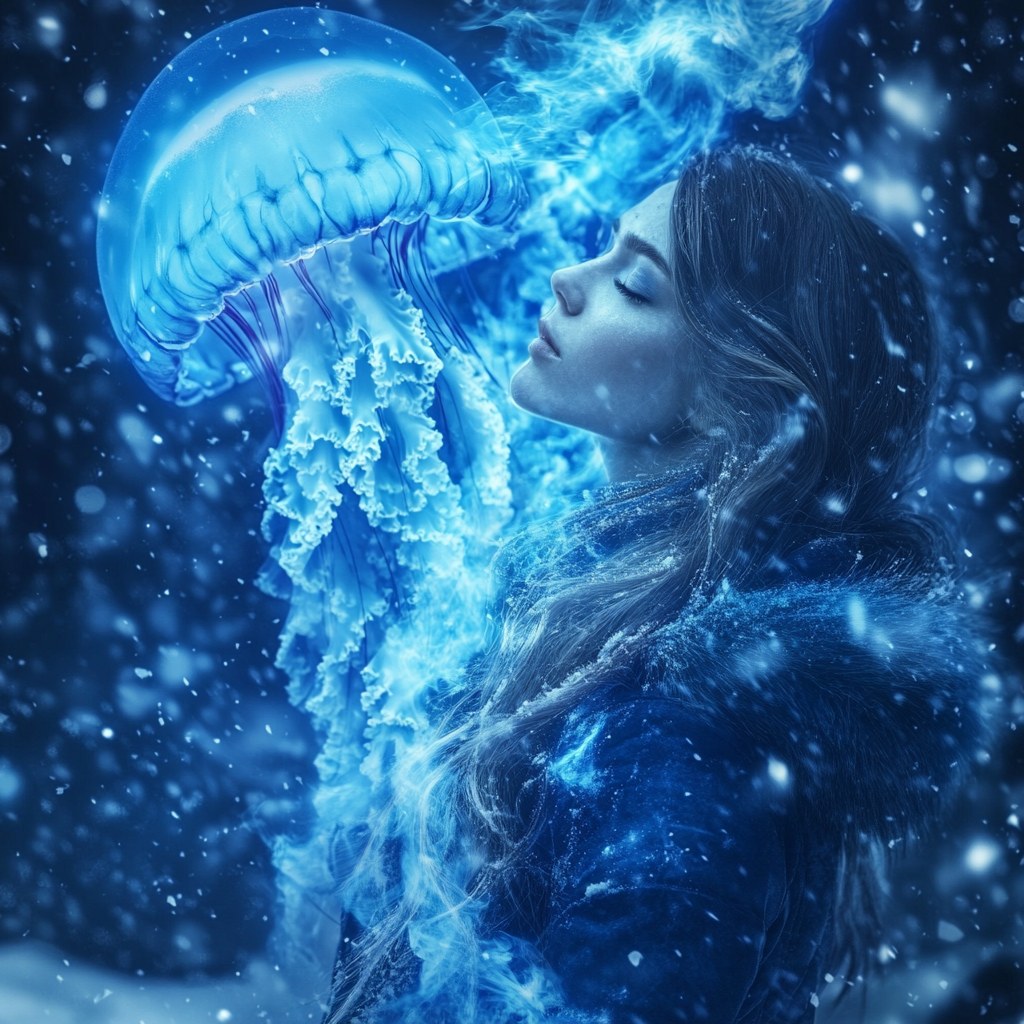
Ísmarr over the ice
// Unit Record 05 · Jökull Horde
Ísmarr ᛁᛊᛗᚨᚱ
The Frost Floater. A translucent jellyfish the size of a small car that drifts over the battlefield and casts like a trained psion.
- Being the Horde’s battlefield caster
- Adapting its casting to complicated orders
- Shielding the rider who does the close fighting
- It has no direct attack of its own
- Speed. It floats
- Losing its rider
The rider fights and the Ísmarr casts. It understands tactical instructions, changes its spells to suit the ground, and has been seen mourning a rider who fell. Whether that makes it a person is still argued about outside the Horde. Inside it, nobody argues.
“Each bonds with a single Winterborn for life, and I mean for life. I’ve seen riders mourn their Ísmarr like family. Because they are.”— Ulrik Stormhelm, recorded interview, 2295
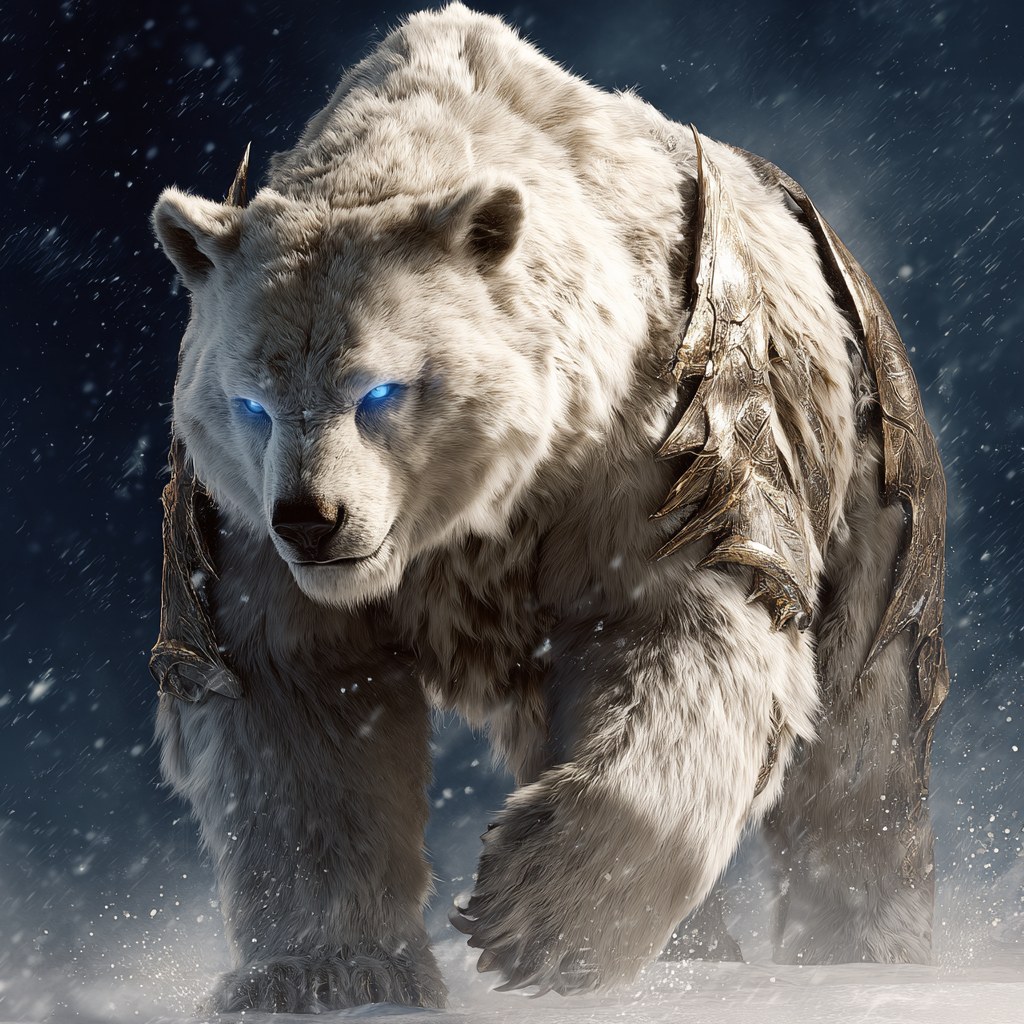
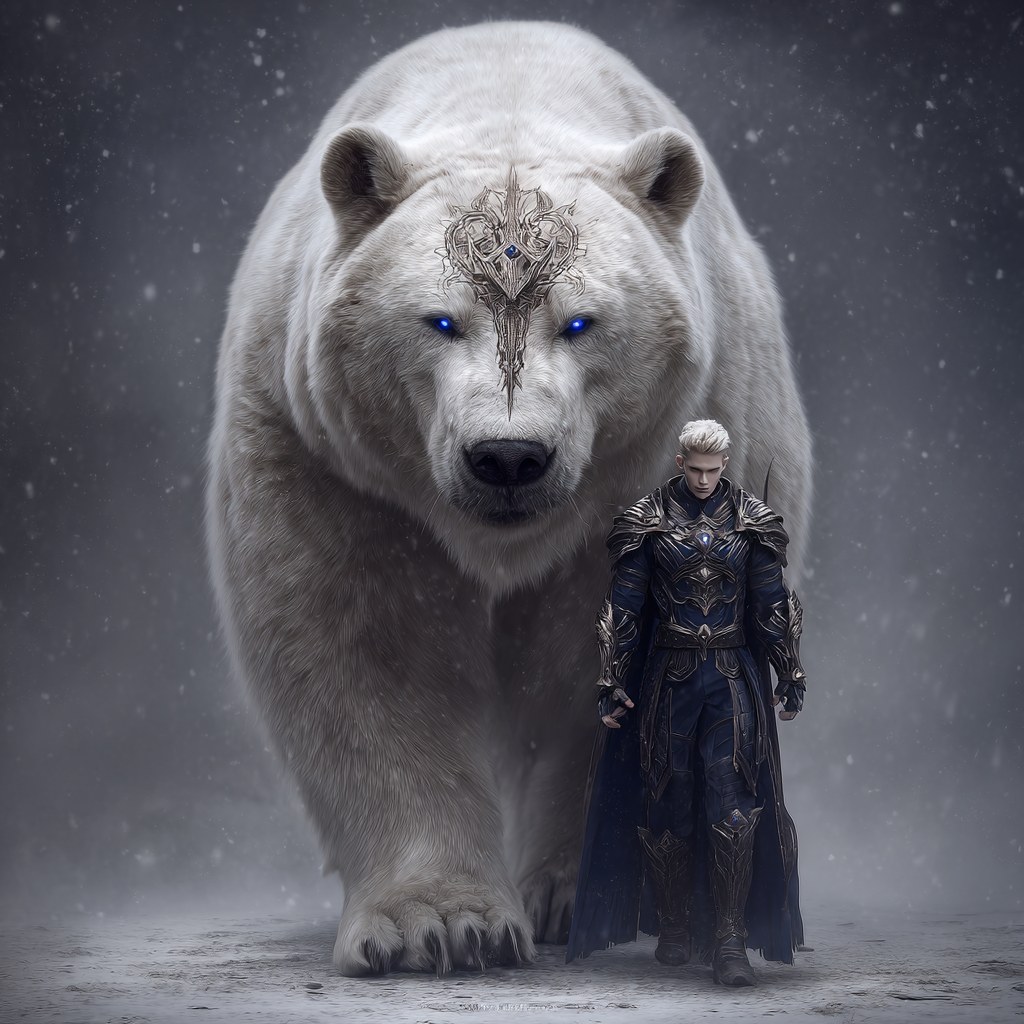
Stormbryter
// Unit Record 06 · Jökull Horde
Stormbryter ᛊᛏᛟᚱᛗᛒᚱᛃᛟᛏᚱ
The Storm Breaker. A white bear three times the height of a man, plated at the skull, that walks into the fire so that nobody else has to.
- Leading a frontal assault and drawing the fire
- Breaking reinforced barriers with its paws
- Keeping its head under bombardment
- The berserk state. The old and the strong are most at risk
- Cost. It is expensive to raise
- Being risked at all. Each one is irreplaceable
A Stormbryter is a moving fortress. It soaks up punishment at the head of a charge, and the neural plate keeps it aware of the plan even while it is being shelled. The Horde does not send one out lightly. When Stormbryters are seen on a field, the enemy knows Dagny means to win that day whatever it costs.
“When a Stormbryter charges, the ground shakes. We save them for when things get truly desperate. Which is more often than I’d like.”Ivar’s note: 47. Every single one has a name.— Ulrik Stormhelm, recorded interview, 2295
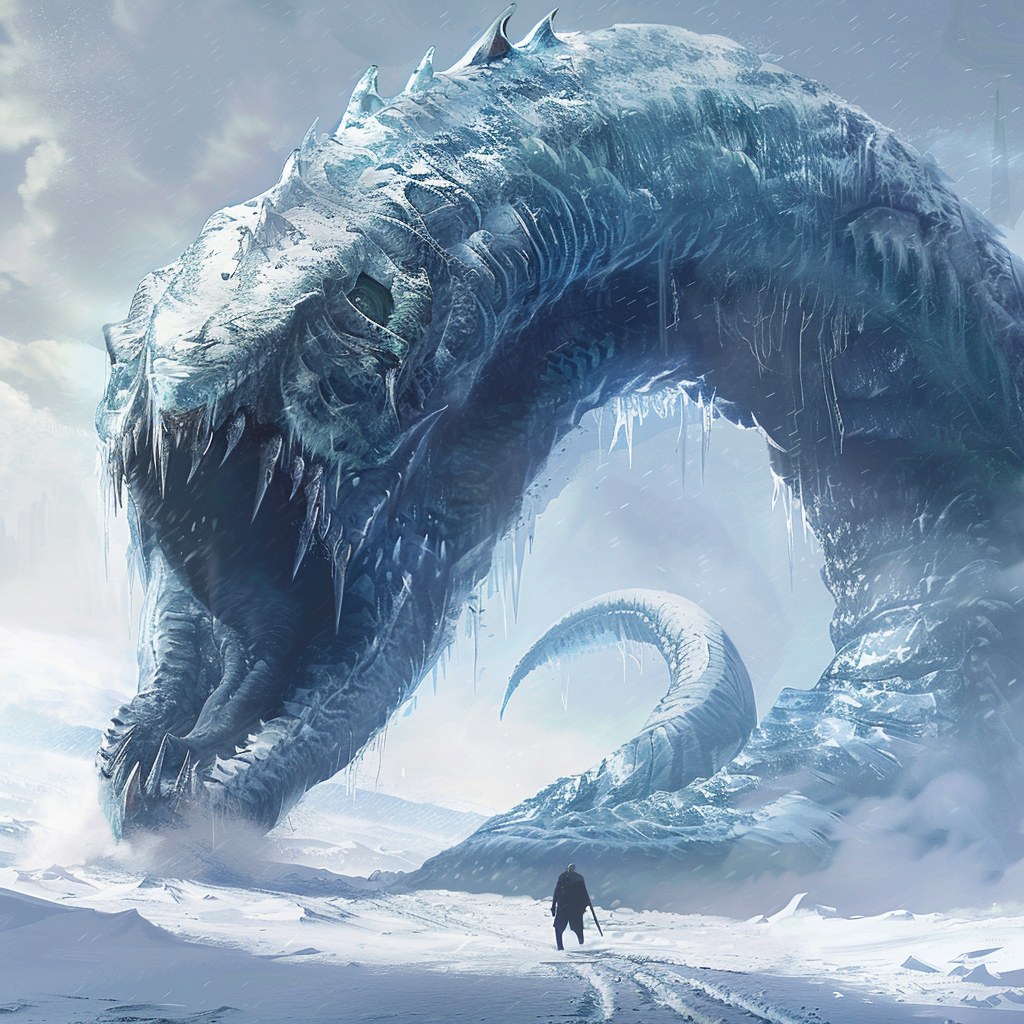
Glacierwurm, with a rider for scale
// Unit Record 07 · Jökull Horde
Glacierwurm ᛁᛊᛟᚱᛗᚱ
A colossal worm that tunnels through ice and rock, and breathes a freezing mist with the range to reach a warship.
- Cracking a Fenris hive open
- Grounding aircraft and troubling battlecruisers
- Putting an army where nobody expected one
- Agile fighters, which get inside its slow reactions
- Feeding it
Nothing else the Horde owns can break a fortified hive, so the wurms are kept for the days that decide a campaign.
“We’ve got… what, three? Four? Massive resource drain to maintain, but when you need to crack a Fenris hive open, nothing else works quite so well.”Ivar’s note: Seven. Ulrik, we discussed this yesterday!— Ulrik Stormhelm, recorded interview, 2295
Diabolisk
// Unit Record 08 · Jökull Horde
Diabolisk ᛞᚱᛖᚲᛁ
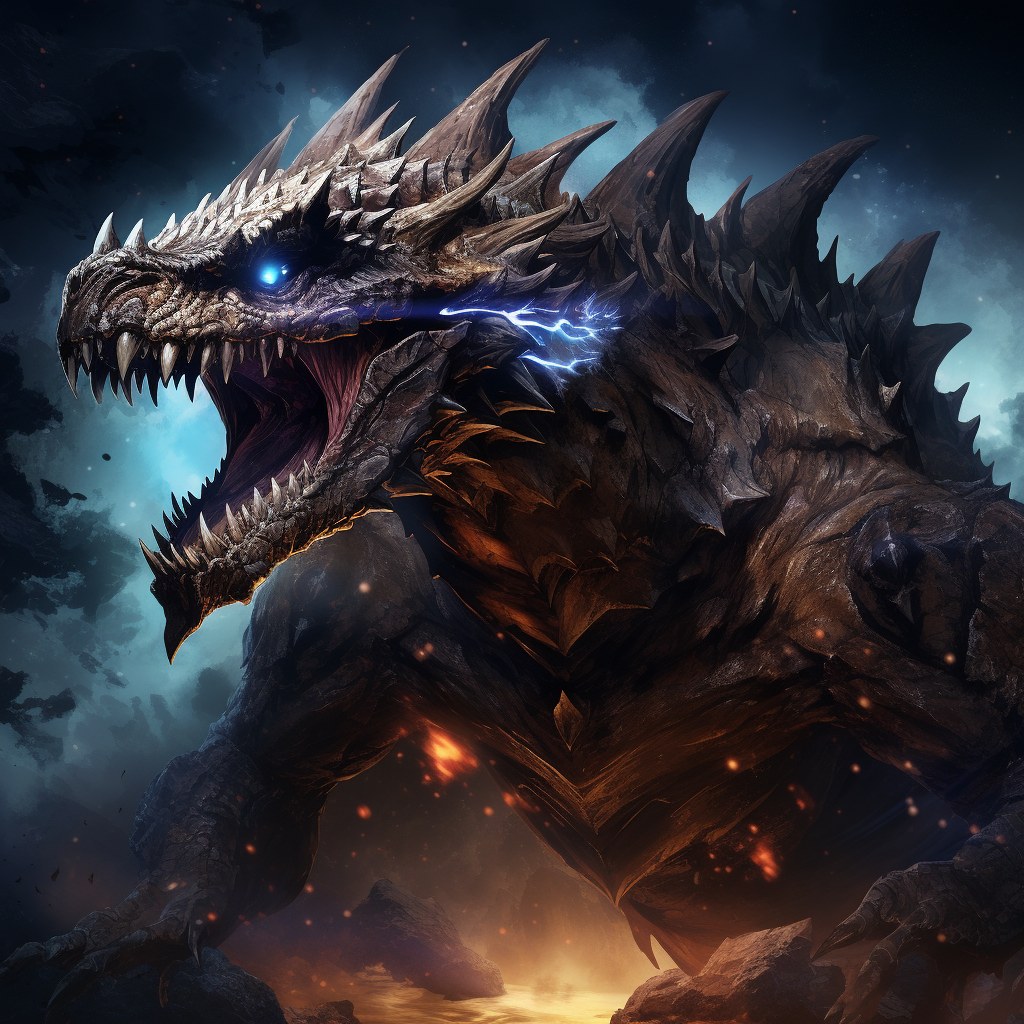
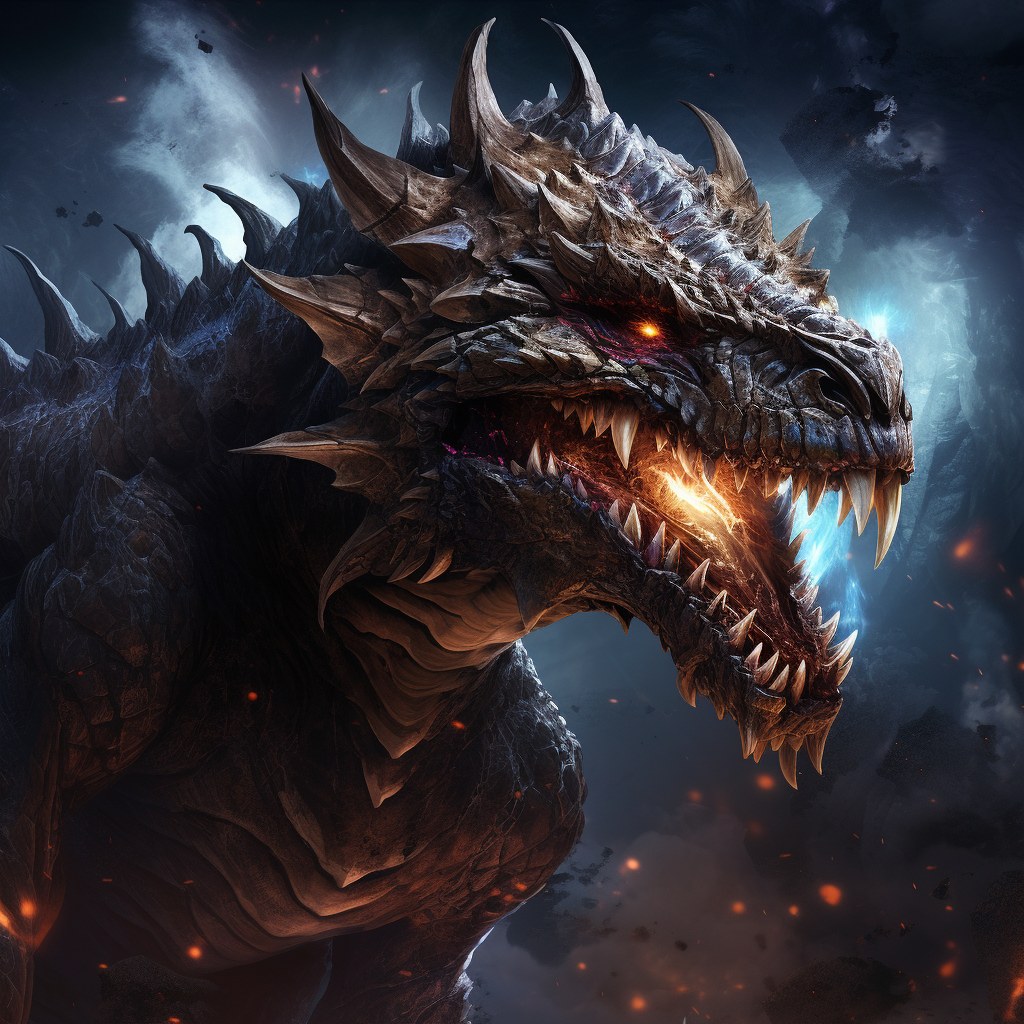
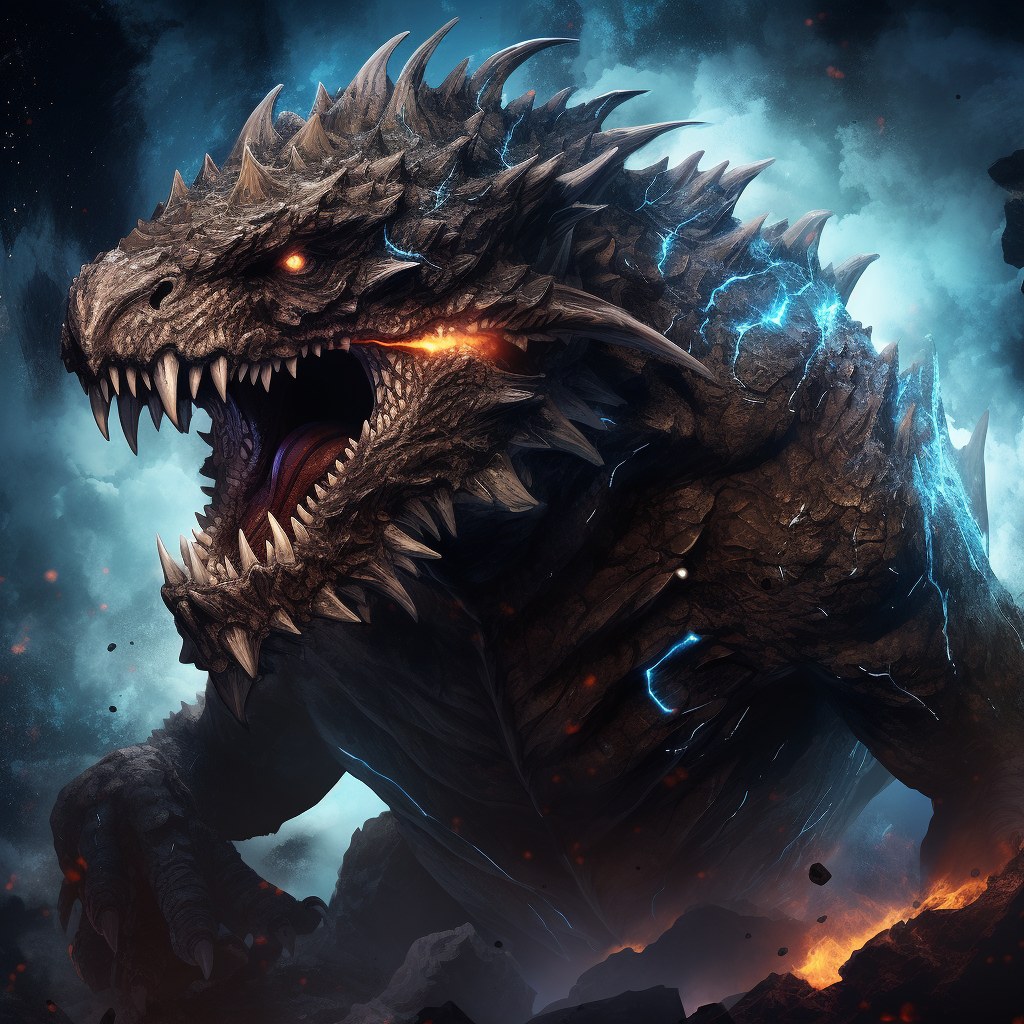
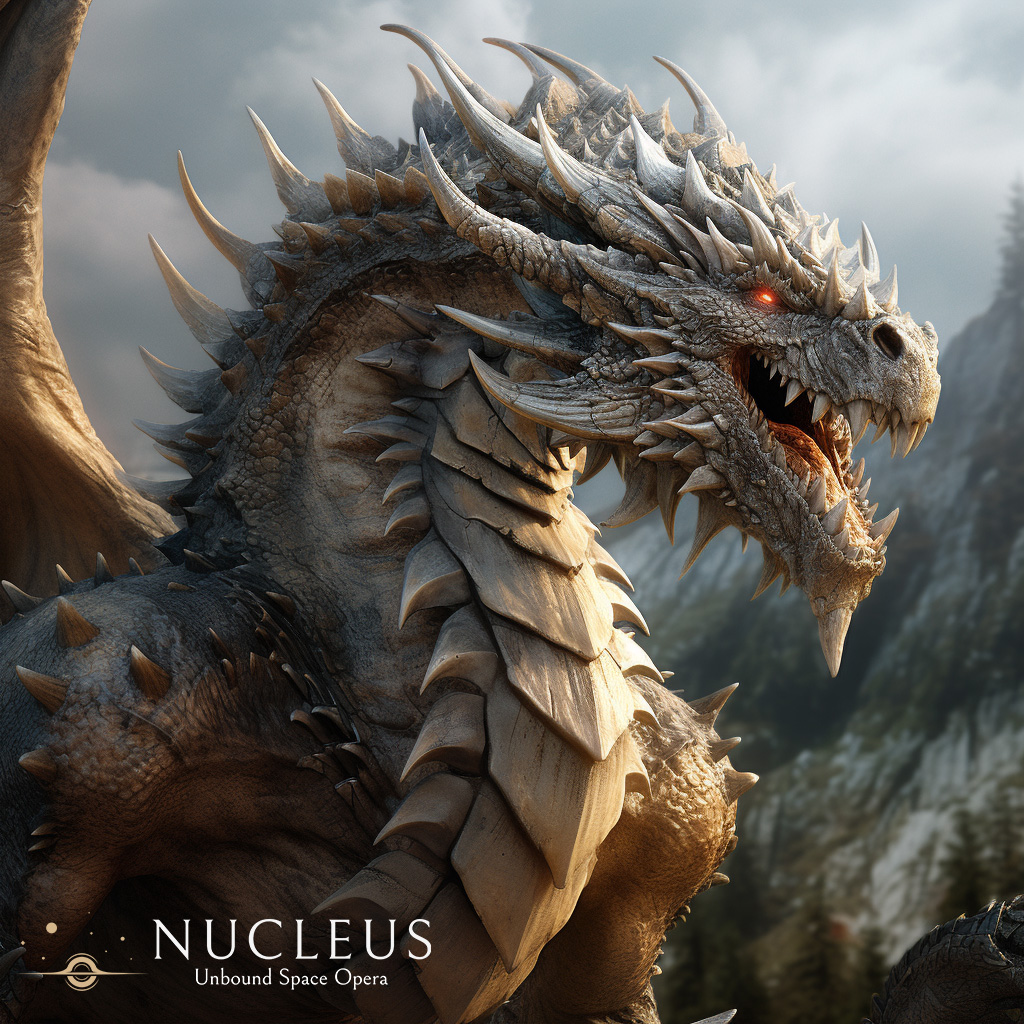
A wingless war-lizard, and one of the most intelligent Radi-Mons alive. Its roar carries Eclipse and Lunar spells that can break a battalion.
- Destroying massed formations at range
- Outlasting a fight. It heals as it feeds
- Thinking. Few Radi-Mons are its equal
- Numbers. They are rare
- A temper that has to be taught, not bred, out of it
Nearly every Jökull creature traces back to something Scandinavian. The Diabolisk does not. Two of its three parent species come from Taiwan and Indonesia, and Dagny Fjeld has never explained how either reached her laboratory.
The gentle one
A Diabolisk hatchling named Håkon is being raised on Mars, in Xing Hong, by a Rigger who found his egg. He is three years old, about the size of a small cat, and rides on his father’s shoulder. He has never seen Europa.
By every account he is a kind creature. He was taught love and patience from the day he hatched, and it took. People who believed wrath was built into the breed have had to think again.

A Winterborn of the Jökull Horde
// Unit Record 09 · Jökull Horde
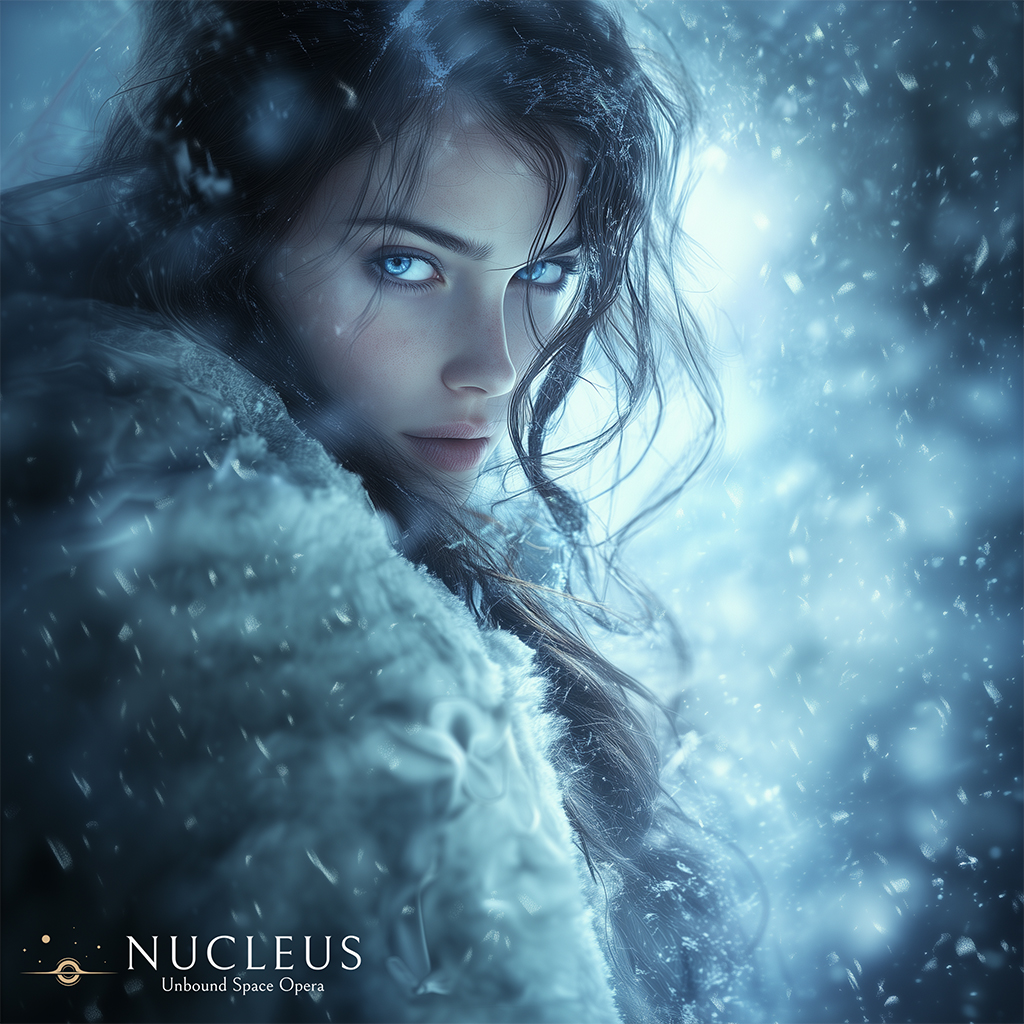
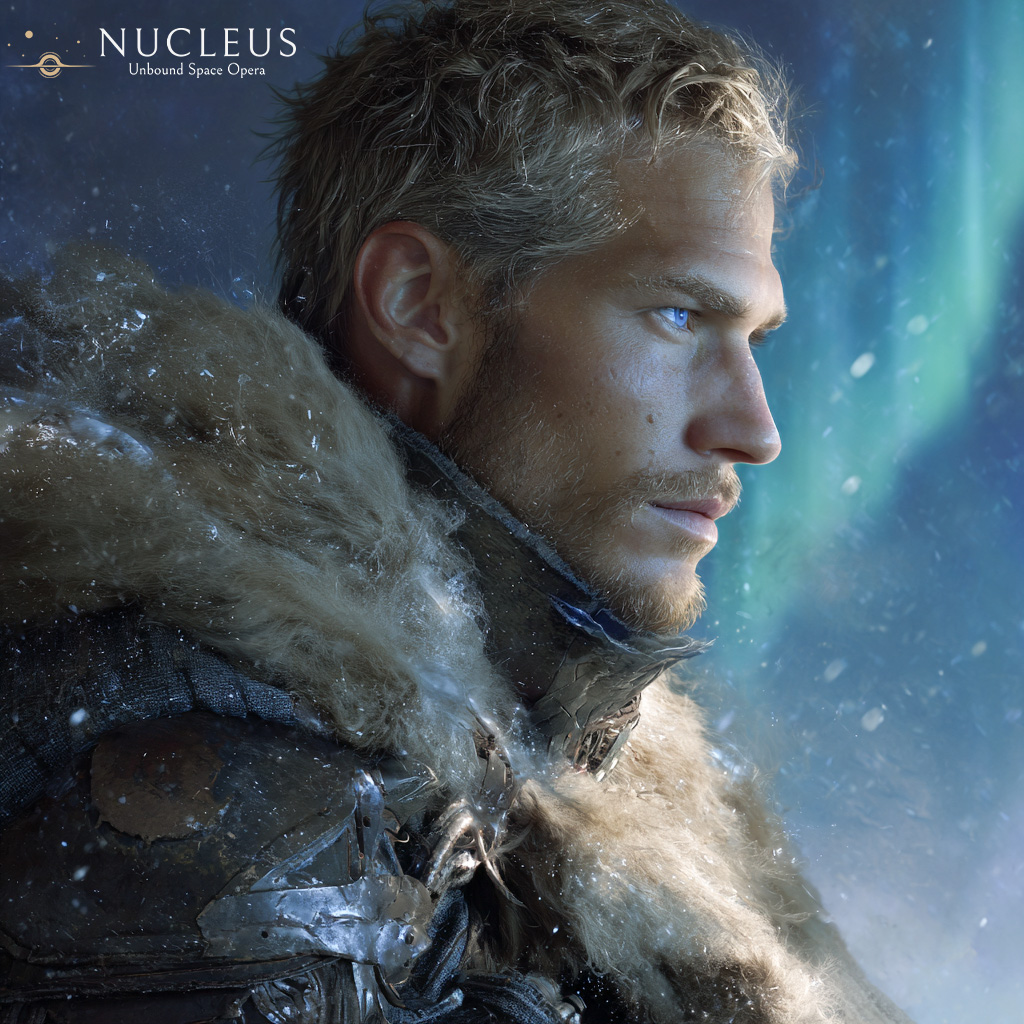
Winterborn ᚹᛖᛏᚱᛒᛟᚱᛁᚾ
Humans who carry the whole Jökull genetic library in their own bodies. They lead the packs, match a Draug blow for blow, and are still themselves afterward.
- Rallying scattered Krabba into a formation, or steering a Dipper flock by instinct
- Surviving. Wounds that drop a soldier only slow a Winterborn
- Living off the land. Raw meat, uncooked plants, food that would poison anyone else
- The beast in the blood. Hunger, desire and temper arrive before thought does
- The first years. New converts struggle most
- Summoning. The creatures must already be close
Dagny needed officers who could command Radi-Mon packs, live where humans die, and stand up to a Fenris Draug, without ceasing to be human. Her answer was to write every Jökull creature into a human host. A Winterborn keeps a mind, a name and a conscience. That is the point of the design, and it is her answer to what Skarn does to people.
The price is real. The borrowed instincts do not stay quiet, and a Winterborn carries a sharper appetite and a shorter fuse for the rest of a long life. The veterans learn to channel it. Nobody in the Horde pretends it is not there.
The first one
Before the change was reliable there was Astrid Kierkegaard, a graduate student from Greenland who had written on benign human and Radi-Mon transformation. She volunteered, knowing she might die on the table. She woke up with frost in her veins, and went straight back to taking notes.
Rider and floater
Most Winterborn fight with an Ísmarr overhead. The Winterborn closes with the enemy. The Ísmarr casts over their shoulder. Neither does well for long without the other.
A Hylki copying an unfertilized ovum into Radi-Mons
// Unit Record 10 · Jökull Horde
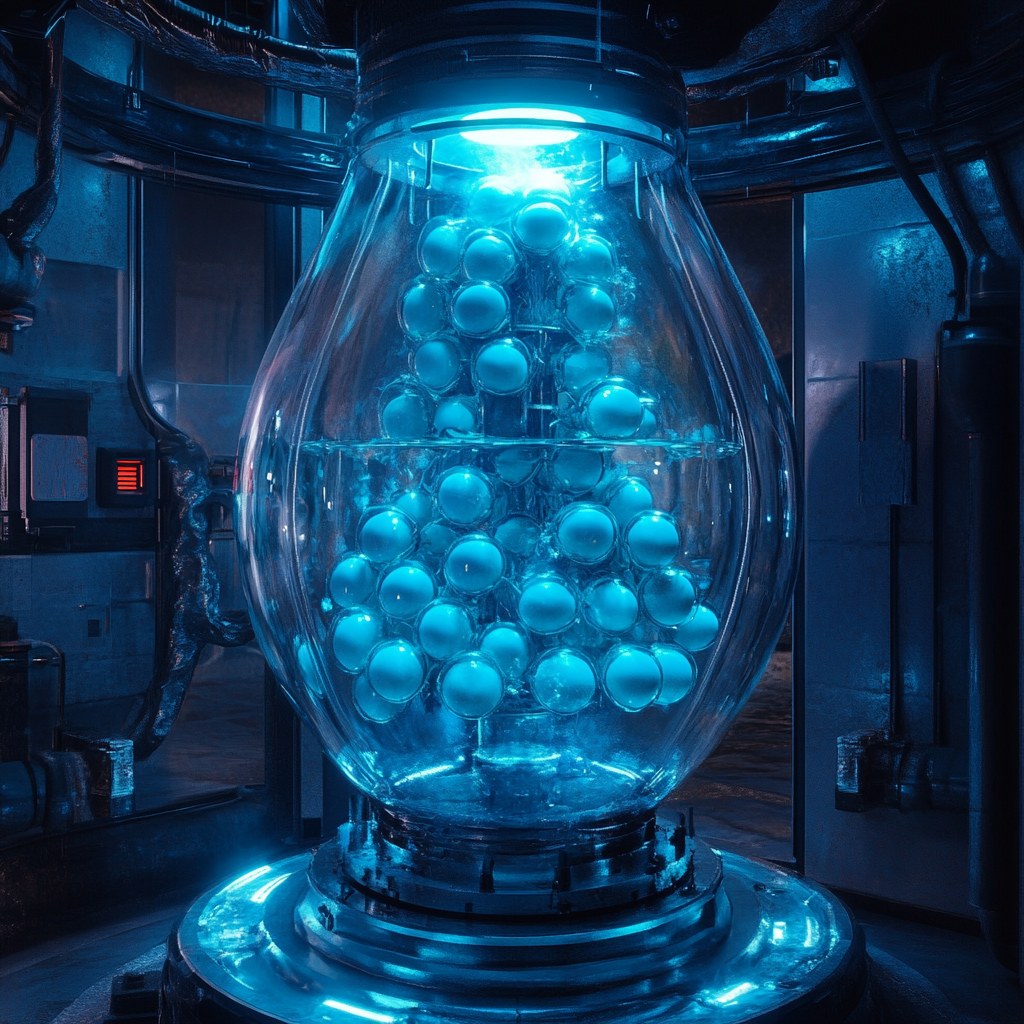
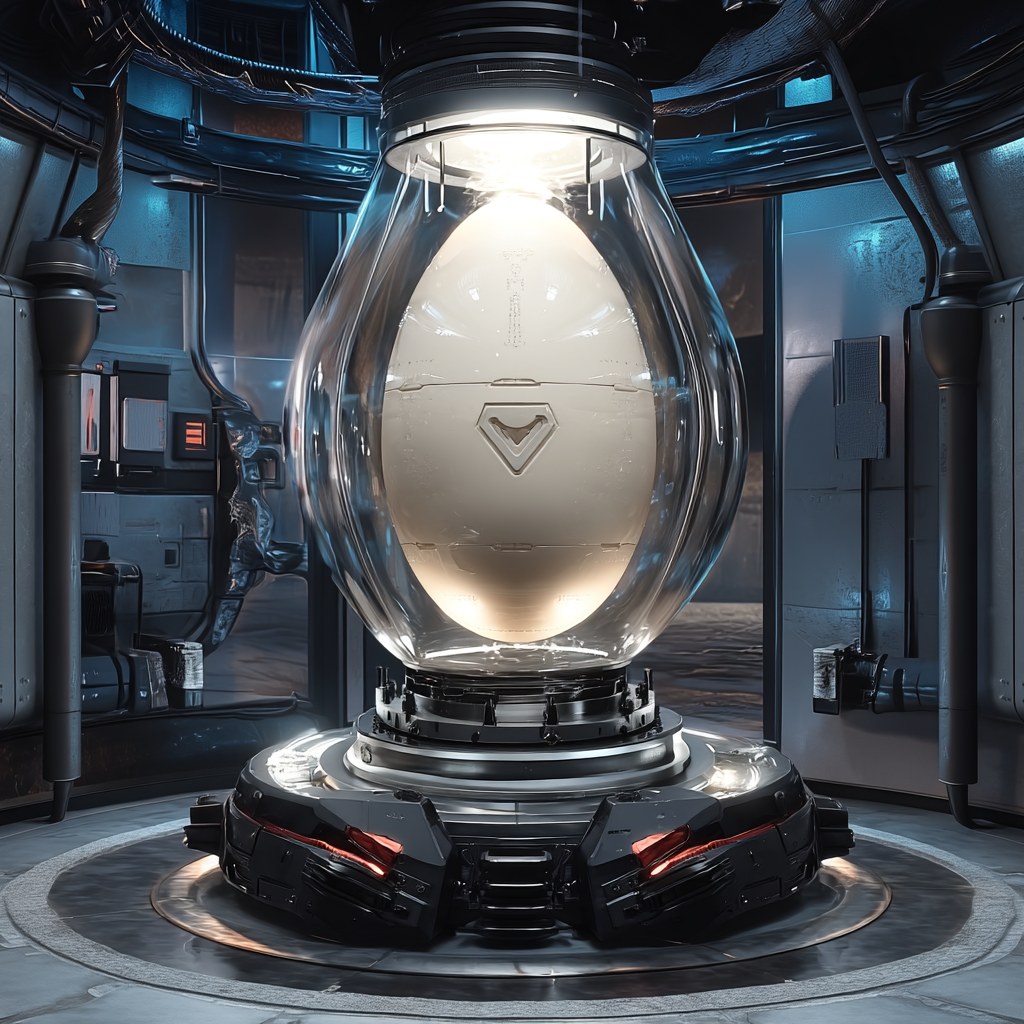
Hylki ᚺᚢᛚᚲᛁ
Dagny Fjeld’s answer to the Fenris Breast Barrow: a glass vessel of pale blue light that needs no captive and harms no one in it.
- Raising creatures and children with no captive, ever
- Keeping a people alive through losses that should have ended it
- Output. It makes far fewer than a Barrow does
- The children it hurries pay for the hurry all their lives
- It all runs through one woman’s approval
It was built in desperation, in the first months of the outbreak, and it is why there is still a Jökull people to speak of. It is also not painless. A child who is nine weeks old in a six-year-old’s body has a hard road, and women are leaned on to give “for the survival of our people.” The Horde says so openly, which is more than its enemy does.
“The real work that keeps our people alive comes from our women. Freely given, just like that. Makes me think. Makes all of us think.”— Ulrik Stormhelm, recorded interview, 2295
- HylkiJökullBy gift. No captive. 2 to 5 weeks
- Breeding LotusRakshasaBy consent. A couple, and 6.9 days
- Breast BarrowFenrisBy capture. One woman, held for good
The children
“Aye, the accelerated ones emerge at physical age six with difficulties. Emotional instability that lasts their whole lives. Everyone knows. Nobody pretends otherwise. Those children are loved anyway. They’re ours.”
They also come out with far greater psionic potential than other children. Hrímnir, Dagny’s own Krabba, lowers his shell to the ground so that they can touch it.
Nordlings only?
Dagny says the Hylki works only on Nordlings, because of genetic markers unique to them. Medical records from Jökull-run hospitals suggest it works the same for every human being.
Nobody outside her circle knows whether she keeps the claim to deny the technology to other powers, or because she believes it.
// 03 — Command
Who gives the orders
Dagny leads and Ivar commands the field. Everyone else on this list is here because they chose to be.
 Primarch · Second Princess of House FjeldDagny FjeldBuilt the Hylki and raised the banner. Brilliant, worn out, and wrong about outsiders.
 Winterborn · Consort and field commanderIvar LindqvistRuns the armies. Insists the bickering with Dagny is strategic debate.
 Senior NordgårdUlrik StormhelmSeventy-one, born in Illinois, and still swinging. Fair fights and quick kills.
 The first WinterbornAstrid KierkegaardA scientist who volunteered knowing she might die on the table.
 Dagny’s Krabba · Command mountHrímnirThe first creature the Hylki ever made. Lets no one else ride him, and barely tolerates Ivar.
 Grávomb · Engineer and cookOlavWas a pet groundhog in a college dorm. Is quite proud of his fish stew.
 Diabolisk hatchling · Main castHåkonThree years old, cat-sized, and growing up on Mars. He does not know yet that he has a people.
// 04 — Territory
The moons Jove breathed on
Nord lands, by the Nordlings’ own account. Almost all of them are under Fenris occupation.
“Dagny would have my hide if she knew I was writing this. She’d say we don’t need outside help. That this is a war of Nords, for Nords, and the lesser races wouldn’t understand. She’s wrong. We need help. Skarn isn’t just our problem. He’s everyone’s problem. And a day might come when even the most stubborn of us put down our pride and reach out. That day might be today. If anyone’s listening.”
Figures from the Stormhelm interview, recorded 2295.01.17, with Ivar Lindqvist’s corrections.
- Civilians 94%
- Nordgårds 3%
- Radi-Mons 3%
About 1.67 million in all. Roughly 43,000 of them fight, beside some 60,000 creatures. Everyone else is a family the fighters are standing in front of.
// 05 — Strategic Assets
What is worth taking
Very little, held very carefully.
The only way the Horde replaces its losses, creature or child. Guarded above everything else it owns.
The one tool that can crack a Fenris hive. Used only when a campaign depends on it.
Named, counted, and sent out only when a battle has to be won.
The Anti-Gravity Bolt-Action Rifle: old Nordic bolt-action craft in modern materials. It cycles in zero gravity and in any atmosphere.
Sympathisers across Nordic Europe who carry messages and smuggle supplies, under a government that jails them for it.
An old soldier’s account of who the Jökull are, uploaded from Europa in January 2295. The Atomic Accord has hidden it from public view while it is “under review.”
// 06 — Diplomacy
Where they stand
One goal: defeat Skarn and Maren, then rebuild the Nordic Commonwealth as it should have been. The quoted notes are Ivar Lindqvist’s, because Ulrik does not follow politics.
// 07 — Faith
The sky-father and the axe-mother
Jupiter never sets over Europa. The Nordlings pray to the planet above them, and to the woman who made it answer.


Jove before his planet
// Deity Record 01 · The Sky-Father
Jove ᚦᛟᚱ
Thor, Jove and Jupiter: the god of thunder, the Roman sky-father, and the planet that fills a quarter of Europa’s sky. In a Nordling’s heart they are one and the same.
Ask a Nordling whether he prays to Thor, to Jove or to the planet Jupiter, and he will tell you there is nothing to choose between. The thunder is Thor. The one who breathed is Jove. The world hanging over his head every hour of every day is Jupiter. It was always one storm with three names.
The old world half knew it. Roman writers who met the Germanic peoples matched Thor to their own Jupiter: both threw lightning, both shielded their people from chaos, and both asked for endurance where other gods asked for begging. The proof has been sitting in the calendar ever since.
“Jove did not ask if we Nords were ready. He saw our mother Snow-Breast, inhaled, exhaled, and our home was made.”— Commonwealth Theological Council, on the naming of the Breath of Jove, 2089
- ÞórsdagrOld NorseThor’s day
- Dies JovisLatinJove’s day
- ThursdayEnglishThe same day
The Breath of Jove
In 2070, over the course of a year, part of Jupiter’s atmosphere bled out into space and wrapped its great moons. Jupiter shrank by about an eighth. Callisto, Europa, Ganymede and Io gained air a human could breathe, and every Jovian moon began to yield Zephyrium.
Nobody had to decide what to call it. The planet already carried the god’s name.
Why Jove, and still Thor
After the Breath, calling the sky-father only Thor felt too small. Thor named the thunder. Jove named the planet, the breath and the moon under their feet. The Commonwealth’s theological councils made it formal in 2089.
The seminaries teach that this conceded nothing: the sky-father was always larger than any one people’s name for him. Most Nordlings agree. The ones who do not still mutter “Thor” when the lightning strikes, and the runes on his stones have never been recut.
How he is shown
One hand rests on the head of a hammer. It rests. It is not raised. The other hand is open and turned up, as if weighing something nobody else can see.
The Jove-stones in Jökull camps are rough, and that is thought proper. Jove does not need a flattering likeness.


Sif Snow-Breast, the Axe-Mother
// Deity Record 02 · The Axe-Mother
Sif Snow-Breast ᛊᛁᚠ
The golden-haired woman who stood bare-chested on Europa’s ice until the largest planet in Sol answered her. The Nordlings’ founding mother.
Whether she was human, divine, or something the theologians have no word for has never been settled. What nobody disputes is what she did. She left a ship that was carrying her to safety, went down to a dead moon with three children in her womb, and made a home of it.
- 2069 · The Blissful BreedingAboard Bimba, the pilgrims decide that survival will take love and not conflict. Sif chooses nine of the forty-one men of her generation. Three days later she is carrying three men’s children. Nine and three are both lucky numbers in the old north.
- The reckoningThe pleasure fades, and what is left is not enough. Her conclusion is short: life should be more than this. She tells the three fathers so, plainly. All three follow her.
- EuropaThe four of them go down to the ice with what oxygen they can carry. For three days they live on their supplies and on her milk.
- The offeringShe strips to the waist, walks out onto the ice, and lets her milk fall on the frozen ground, bare under Jupiter’s eye, without fear and without shame.
- 2070 · The BreathJove sees her, and breathes. Europa warms. Air spreads across the four great moons. One hundred and eight more people leave the ark to join her, and the rest sail on to Proxima.
“My body holds your children. Stay if you see only a woman you’ve fucked. Follow me if you want to see what we can build.”— Sif Snow-Breast to her three men, 2069
Her five domains
Fertility. Children, land, harvest, milk. She is called on at births, at plantings, and when a new settlement is founded.
Agency. She chose her men and she chose her moon. Nordling women say her name before a decision that others would make for them.
Battle. In the old Earth tradition Sif leads the Valkyries and chooses the fallen for her hall.
Love. For her men, her children and her people, and wider than old-world monogamy allowed.
Endurance. Three days on an ice moon with three children inside her. It is what a Nordling means by calling a woman strong.
A woman chooses
A Nordling woman is not shamed by what she wants. She is as proud of her prowess in the bedchamber as of her prowess in battle. The legend’s lesson is that Sif chose: her men, then her road, then her ground.
Warrior, or the other thing?
Ulrik Stormhelm: “I honestly don’t know if the locals are proud of Snow-Breast because she’s a legendary warrior or because she has nice big tits. Ivar?”
Ivar’s note: “Outsiders choose. A proper Nordling knows it’s both.”
What the Hordes make of her
The Jökull venerate her as the Commonwealth’s founding mother. She is what they are trying to be: a people who survive by feeding one another and claiming ground with their own hands.
The Rakshasa respect her without worshipping her. They read her reckoning as the same turn the Buddha took: the deepest pleasure, tasted and then set down. The two peoples sailed on the same ark.
The part nobody explains
Europa had no air when the four of them landed. The legends have never said how they lived through those three days.
“Snow-Breast stood on the ice and gave what only she could give. Jove noticed. Maybe someone will notice us too.”— Ulrik Stormhelm, Senior Nordgård, 71 years old and still swinging