🔞 Content Advisory
This page includes depiction of fictional westernized erotic ritual — clinical documentation of yoga-based sexual cultivation techniques featuring explicit depictions of rear-entry intercourse and frontal nudity.
These are fictional psionic rituals integral to the Nucleus universe. Viewer discretion advised. 18+ only.

Terra Alliance
July 4, 2076 marked a seismic shift in the West, as the Terra Alliance rose from the vestiges of the United States of America and its neighbors, Canada and Mexico. This new faction, formed after the collapse of the US government after World War III, heralded an era of unparalleled personal freedom, corporate power, and individual ambition. However, Alliance’s territories, while brimming with opportunity, are associated with extreme social and economic disparities, compared to controlled environments like the Imperium of Dragons, Alliance’s mortal enemy.
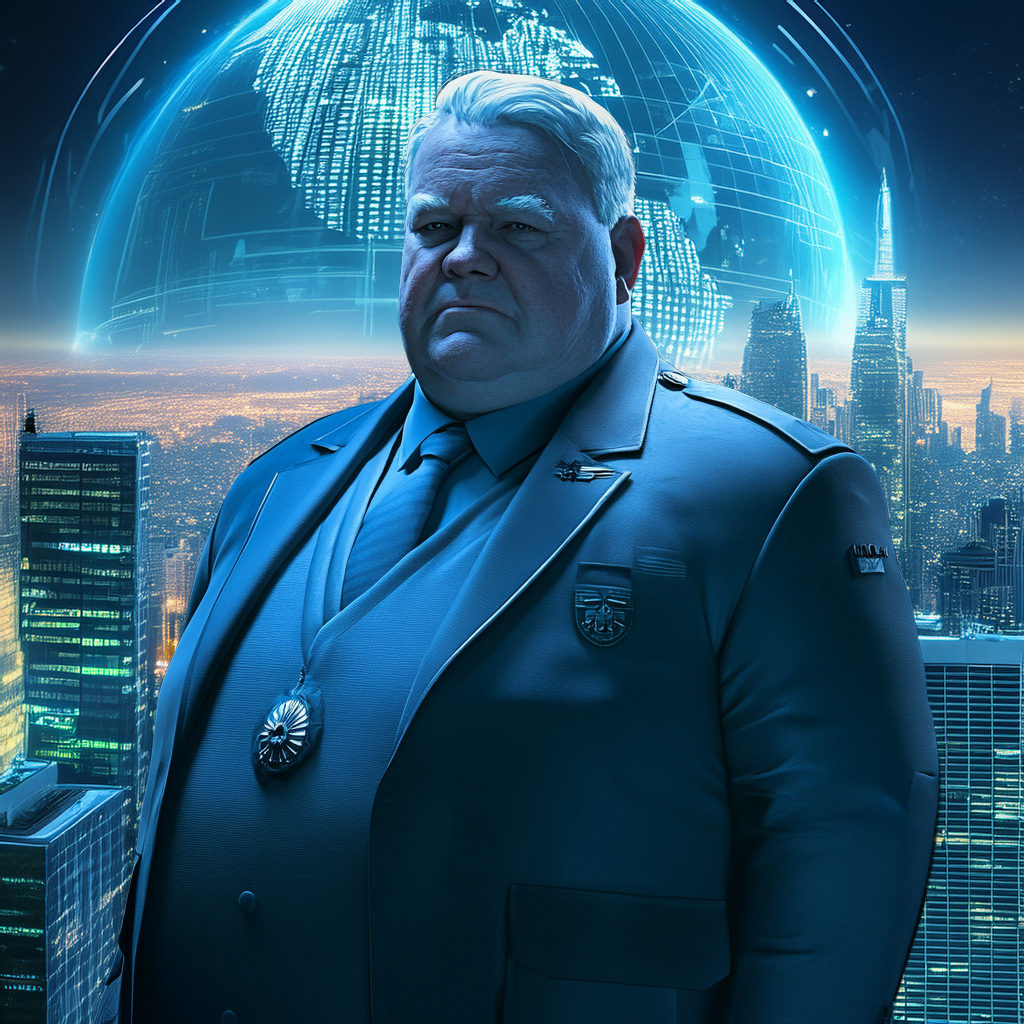
In the heart of this economic engine lies the Corporate Chamber, a legislative body replacing the Senate and representing the most influential mega-corporations. Highly influential, the Chamber serves as one major aspect of Alliance’s governance, providing strategic counsel on matters of economic policy and directly influencing the election of the President. Chamber Delegates, appointed by their corporations, can veto legislative decisions to ensure that national priorities align with corporate interests.
Vanguard
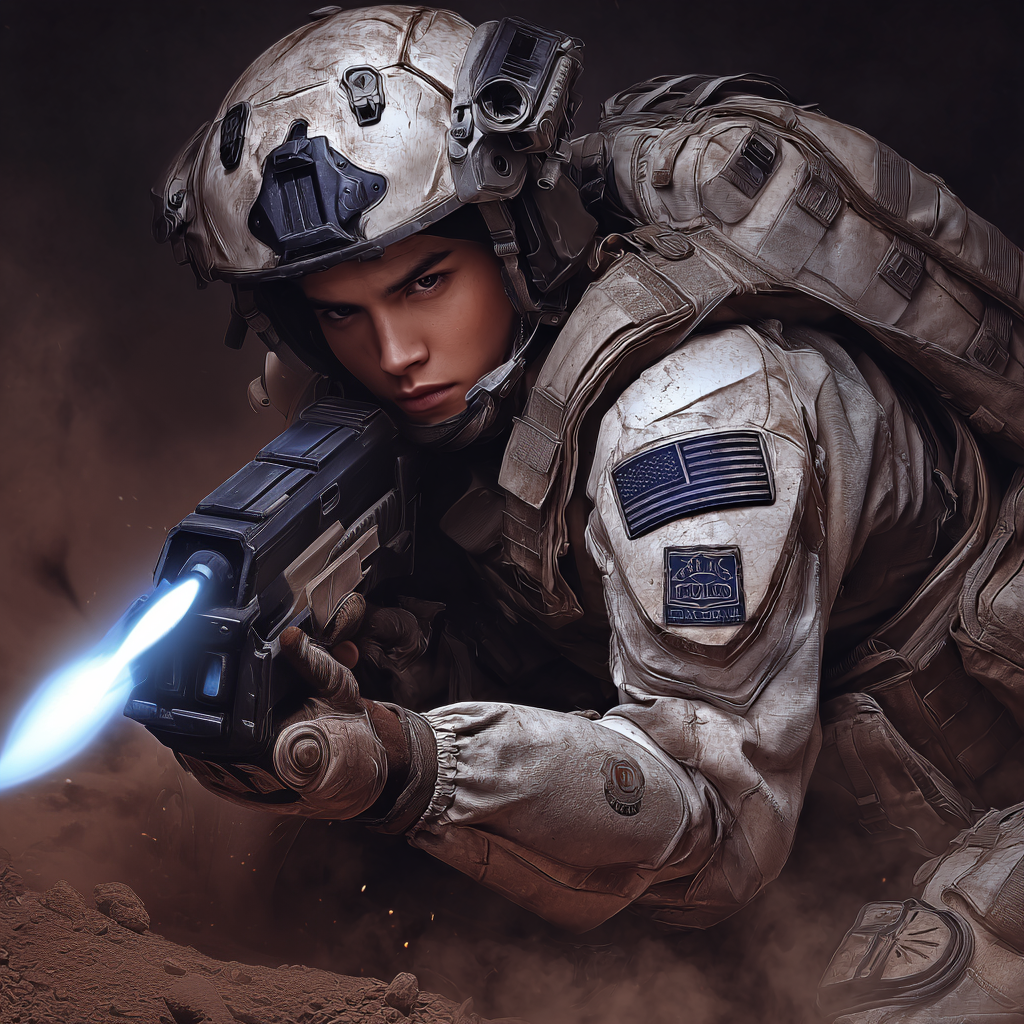
The recruitment ads promise everything: debt forgiveness, career training, citizenship fast-track, corporate networking. “Serve Two Years, Own Your Future.” The billboards light up transit stations from Boston to the Martian frontier, always featuring soldiers in pristine white armor, always shot from heroic angles.
The reality is more complicated. Also more interesting.
The Debt Pipeline
Most Vanguards enlist because they owe money they can’t pay. Student loans, medical debt, family obligations—the specifics vary, the math doesn’t. Alliance Debt Restructuring Programs convert civilian obligations into service contracts. Two years minimum, combat pay, full benefits. The debt clock pauses on day one.
What the ads don’t emphasize: service extensions. Combat tours interrupted by injury don’t count toward completion. Training washouts restart from zero. Administrative delays add months. The average “two-year” contract runs three years four months. Some run longer.
Still, most veterans say it’s worth it. They emerged debt-free with skills and networks. The ones who complain loudest are the ones who didn’t make it—and everyone knows someone who didn’t.
Corporate Colors
Alliance military hasn’t been purely government-funded since the Corporate Expansion Acts of 2089. Megacorps sponsor Vanguard units the way old-world companies sponsored sports teams. The 7th Nevada “NexLink Rifles.” The 12th Boston “Pompeo Holdings Guard.” The 3rd Lunar “Chakraborty Medical Response.”
Sponsorship affects everything. Well-funded units carry the latest laser variants, maintain pristine armor, receive priority medevac. Underfunded units make do with surplus equipment and longer rotations. Soldiers compete for transfers to prestigious sponsors the way athletes chase better teams.
The arrangement benefits everyone, officially. Corps get brand visibility and first pick of veterans for private security. Soldiers get better equipment and post-service opportunities. The Alliance gets a military that doesn’t collapse under budget constraints.
Unofficially: your sponsor’s priorities sometimes become your mission priorities. NexLink units deploy where NexLink has interests. Soldiers learn not to ask why objectives align so neatly with quarterly reports.
Standard Load
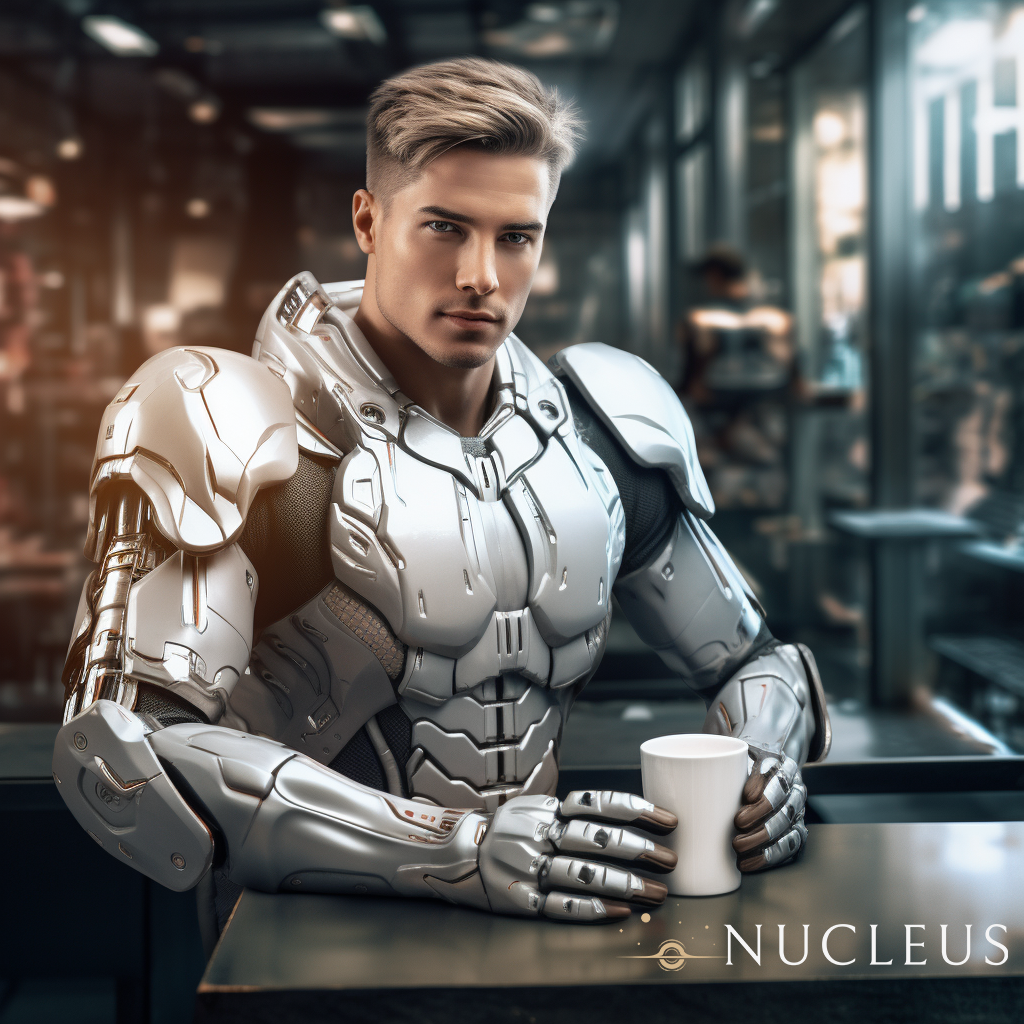
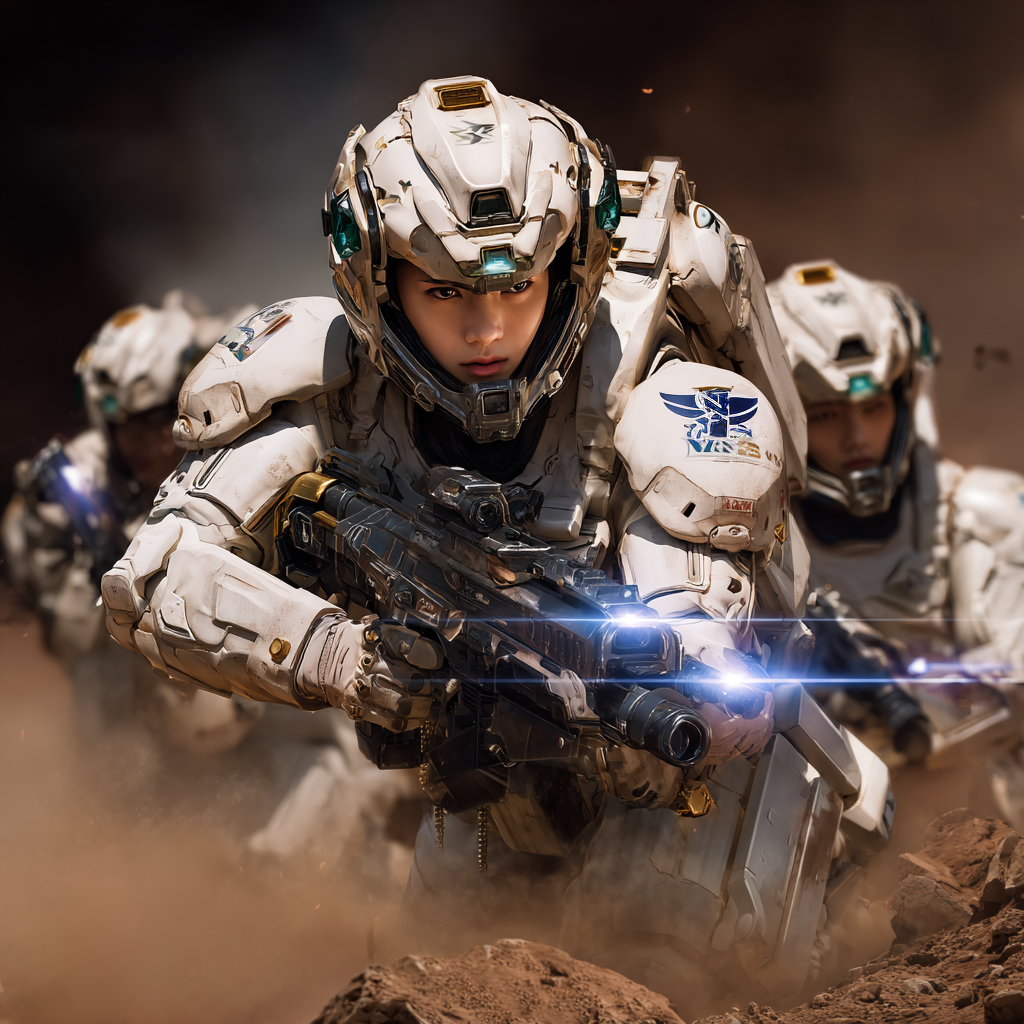
The iconic white composite armor serves multiple functions: life support, kinetic absorption, and brand placement. Chest plates display unit insignia and sponsor logos. Helmet cams feed data to command—and to sponsor marketing departments editing footage into recruitment materials.
Primary armament is the M-77 Pulse Laser, a full-auto energy weapon firing low-temperature blue beams. Alliance marketing emphasizes sustainability: no casings, no chemical propellants, no battlefield pollution. The rifles excel in vacuum operations where conventional firearms struggle with heat dissipation and debris.
The trade-off is stopping power. Imperial crossbow bolts punch through heavy armor; Alliance lasers require sustained fire to achieve similar penetration. Vanguards compensate with volume and precision. Veterans joke that they’re “environmentally friendly killers”—dark humor that recruitment never quotes.
Brotherhood
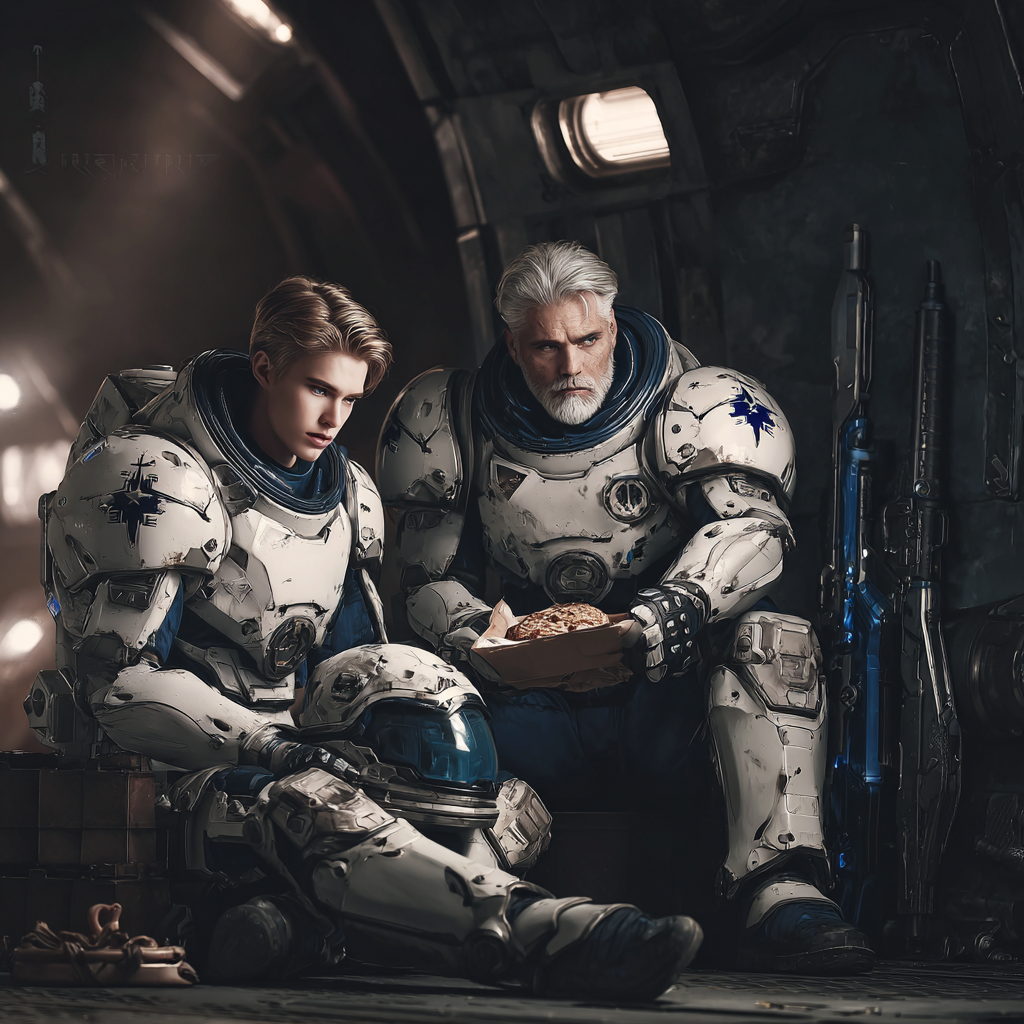
For all its corporate complications, Vanguard culture runs on loyalty. Soldiers who survive together stay connected for life. Unit reunions draw hundreds. Veterans networks share job leads, housing, medical advice, money when times get hard.
The Alliance didn’t manufacture this. It emerged despite the system. Men who were strangers become brothers through shared misery and triumph. The camaraderie is real even when institutional support falls short.
This keeps recruitment healthy despite everything. Ask a veteran if he regrets enlisting and he’ll pause. Then he’ll talk about his squad. The guys who had his back. The ones who made it and the ones who didn’t.
The Alliance promises opportunity. Sometimes it delivers. But what sustains Vanguards through bad deployments and worse odds is something the ads can’t package: the man next to you who’d die before letting you down.
Goliath
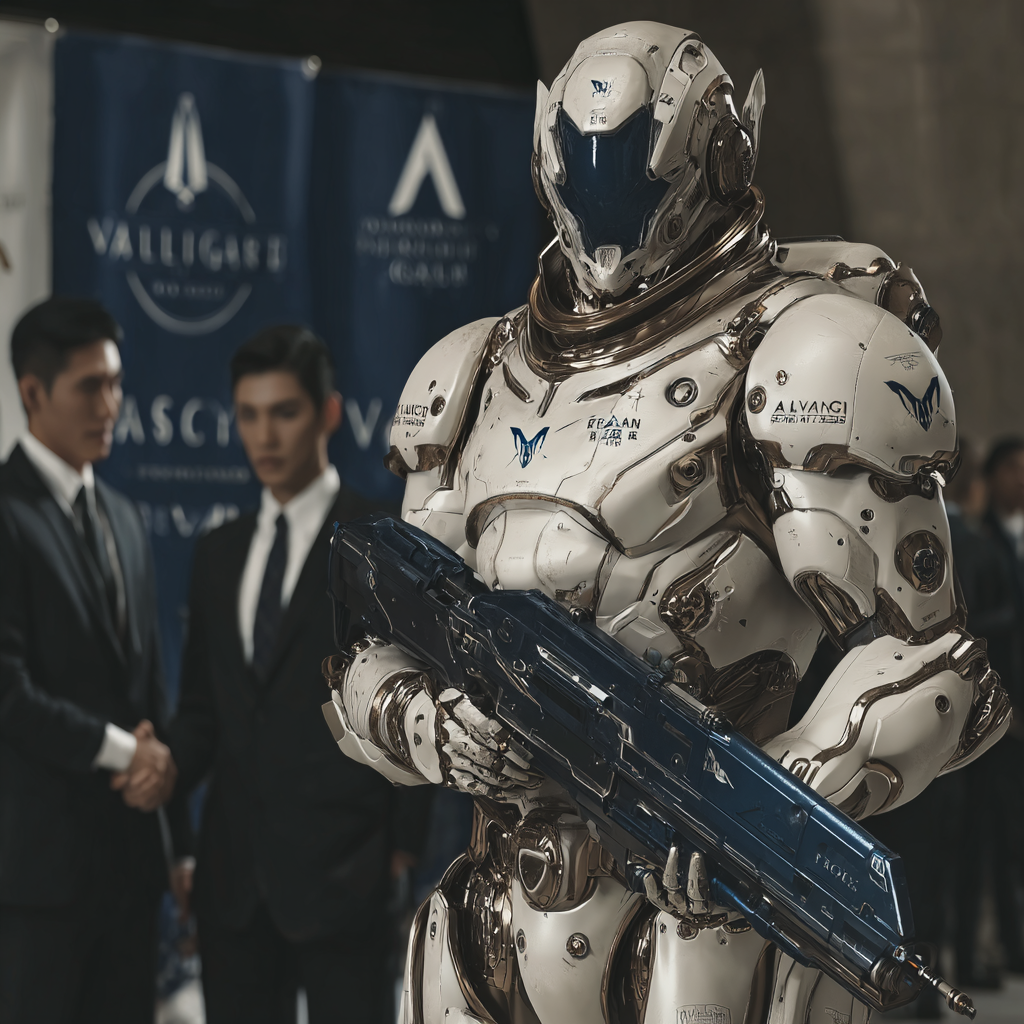
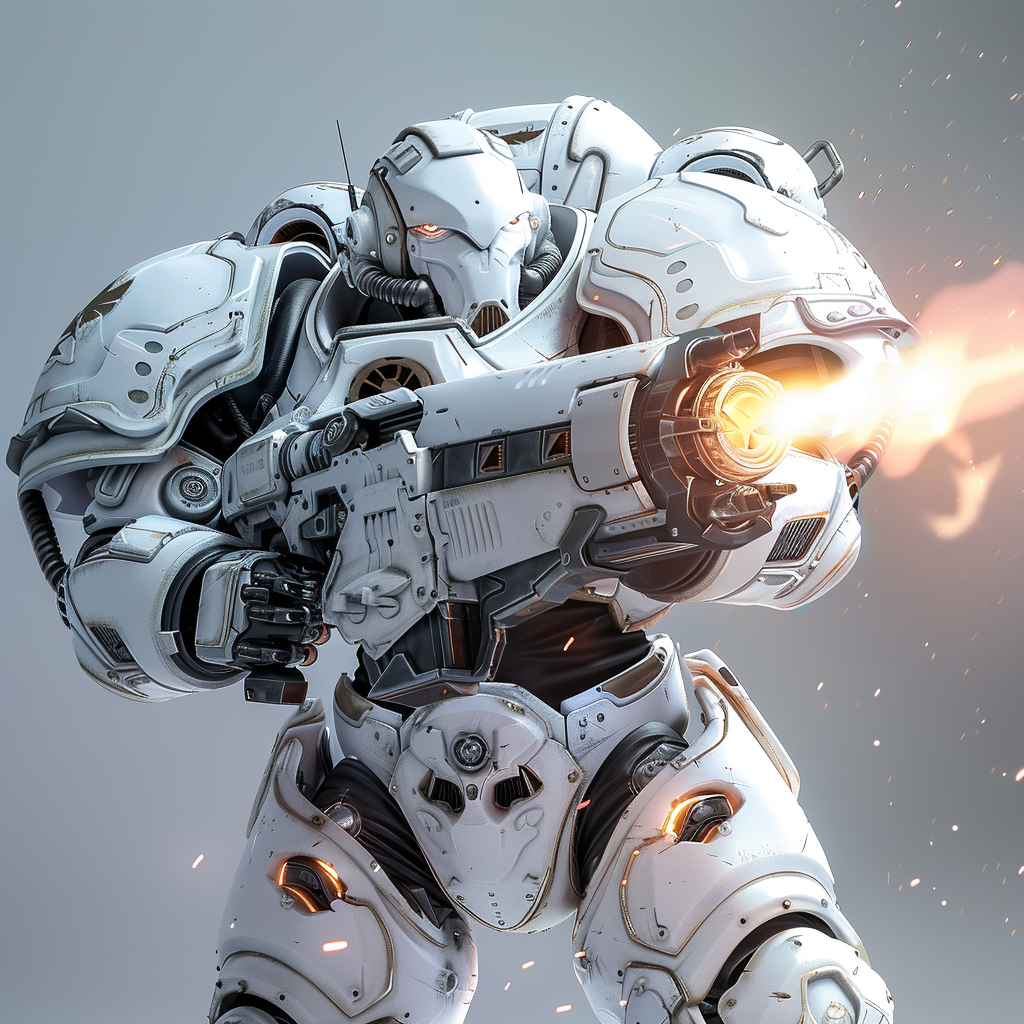
With their members being dominantly (99.8%) male, Goliaths are the juggernauts of the American forces, assembled from a motley pool of conscripts and reformed criminals. Clad in heavy titanium armor with built-in flame retardants, these units serve as the elite frontline barriers that other units hide behind. Their weaponry is designed to clear areas and intimidate: a short-range flamethrower with a wide spread.
Given their unpredictable backgrounds, the Goliaths are subjected to behavior modulating drugs including diluted Tranquil Jing, delivered through their gas mask to keep them focused yet aggressive, mitigating the risk of desertion or rebellion.
Psi Lynx
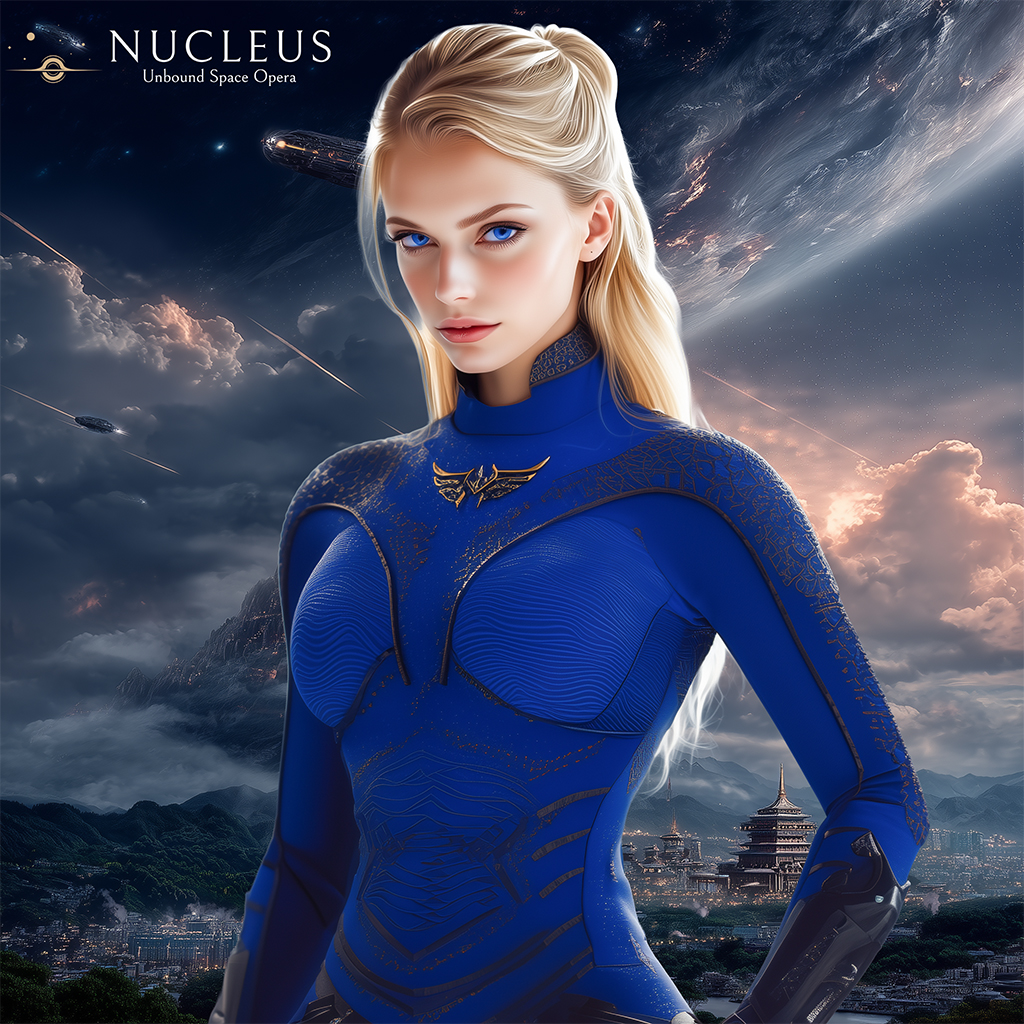
The Psi Lynx program represents the Terra Alliance’s most successful export: not soldiers, but a professional standard. While the Imperium hoards its Conjurers and the Directorate keeps its Griots close, the Alliance discovered something more profitable than loyalty—licensing fees.
Two Tracks
Military Psi Lynx serve as elite operatives within the Alliance Armed Forces, selected from federal psionic academies, carrying Catalyst-U, deploying where the Corporate Chamber directs.
Civilian Psi Lynx are something else entirely. The Private Military Contractor (PMC) certification track opened in 2089 as revenue disguised as public safety. Initial certification costs $15,000 AD and requires combat proficiency testing, psionic evaluation, and background checks. Psychological screening is notably absent—that would disqualify too many paying customers.
Renewal costs $8,000 every two years. With over twelve thousand civilian Psi Lynx currently certified, renewal fees alone generate nearly fifty million AD annually. Pure profit.
The Infrastructure Lock
The Alliance doesn’t control where certified Psi Lynx operate. They control the infrastructure that makes psionic work viable.
Official bounty boards across the Inner Sol require certification for kill verification. Equipment dealers verify credentials before selling Nucleus Swords, military-grade Thermal Axes, or psionic amplifiers. Legal frameworks defining justified combat versus murder depend on valid certification. Customs checkpoints flag unregistered psions for secondary screening; the Imperium honors Alliance credentials through diplomatic reciprocity rather than re-testing every foreign psion.
Miss a renewal payment, and this infrastructure locks you out. You’re not forbidden from using psionics. You’re simply excluded from the economy that makes it a profession.
Why Export?
Other factions centralize psionic assets as strategic resources. The Alliance asked a different question: why control twelve thousand individuals when you can tax them instead?
Civilian Psi Lynx provide benefits beyond fees. When one kills Radi-Mons on Mars, Alliance credentials get credited—free brand visibility. When corporations need psionic security where Alliance military cannot operate, certified contractors fill the gap. Controlling twelve thousand armed psions across planetary jurisdictions would cost more than they’re worth. Collecting fees is cheaper.
Operating Against the Alliance
Certification prohibits “actions directly harmful to Alliance interests.” Enforcement requires proof, lawyers, and a target worth the trouble. Most infractions result in fines. A Psi Lynx who embarrasses the Alliance in neutral territory receives a penalty notice with her next renewal. One who kills Alliance personnel faces suspension and charges. The middle ground gets tolerated as long as fees are paid.
An irritating Psi Lynx who pays is revenue. A decertified one is a threat with nothing to lose. The Alliance prefers collecting money to creating enemies.



Space Rover
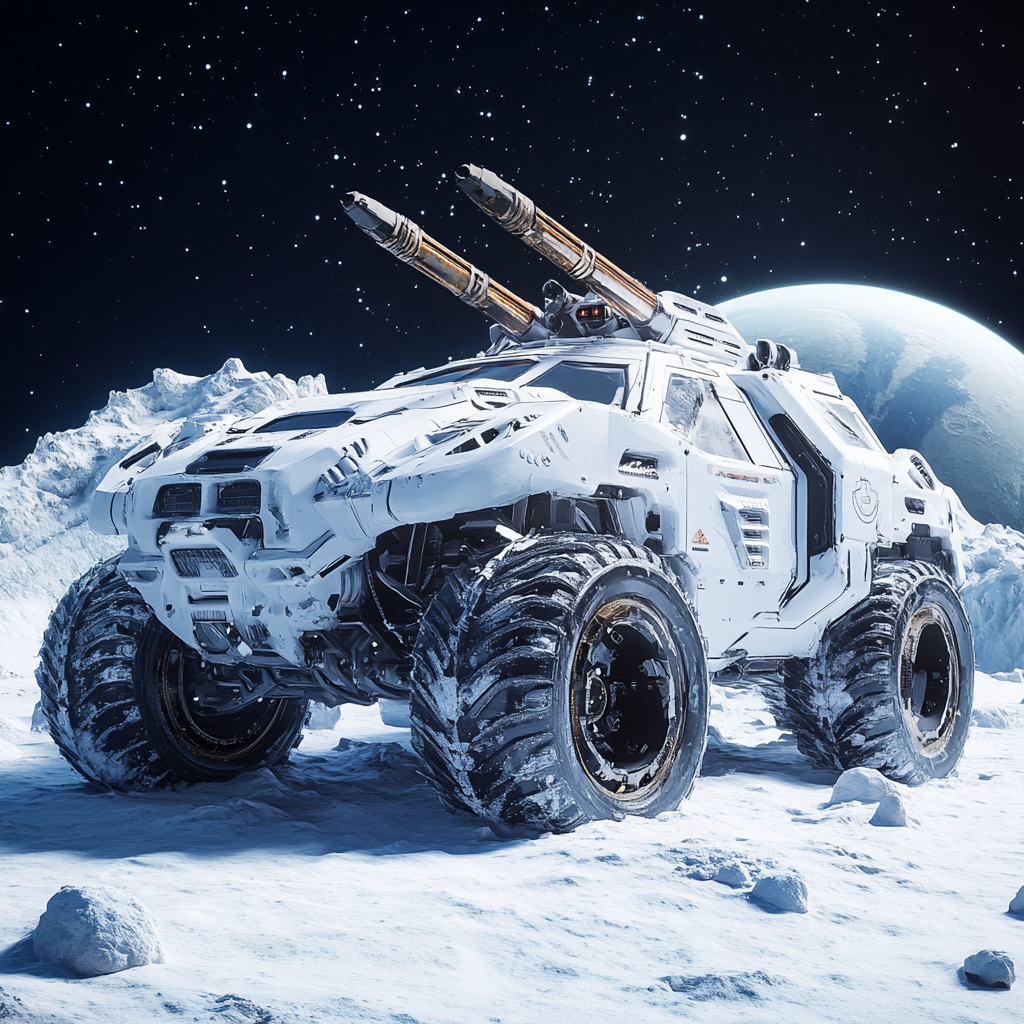
The Space Rover is the Terra Alliance’s versatile, all-terrain vehicle, engineered for travel across barren moons and harsh planetary environments. Outfitted with a Gauss Machine Gun mounted on top, the Space Rover offers a reliable and highly modifiable platform for any situation. The Space Rover comfortably holds a crew of four soldiers, including a driver, gunner, and two passengers, with the option to carry additional supplies or gear. Its maneuverability, and customizable nature make it a staple for American space expeditions and military operations across the Sol System.
Designed with practicality in mind, the Space Rover is a cheaper alternative to tanks but remains a vital asset due to its adaptability. Everything from the vehicle’s weaponry to its armor and interior layout can be customized. Whether it’s upgrading to heavier weapons, installing extra shielding, or expanding cargo space, the Space Rover can be tailored to meet specific mission needs.

Orca
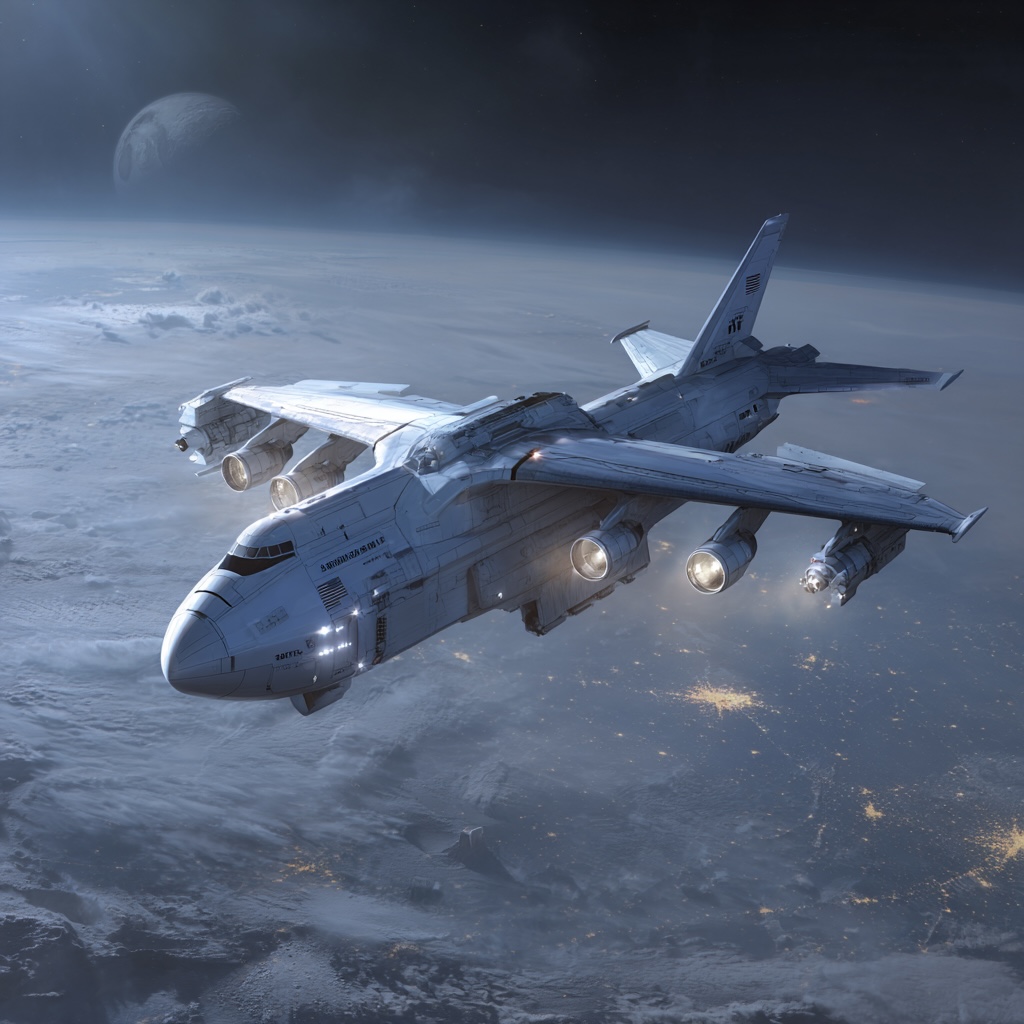
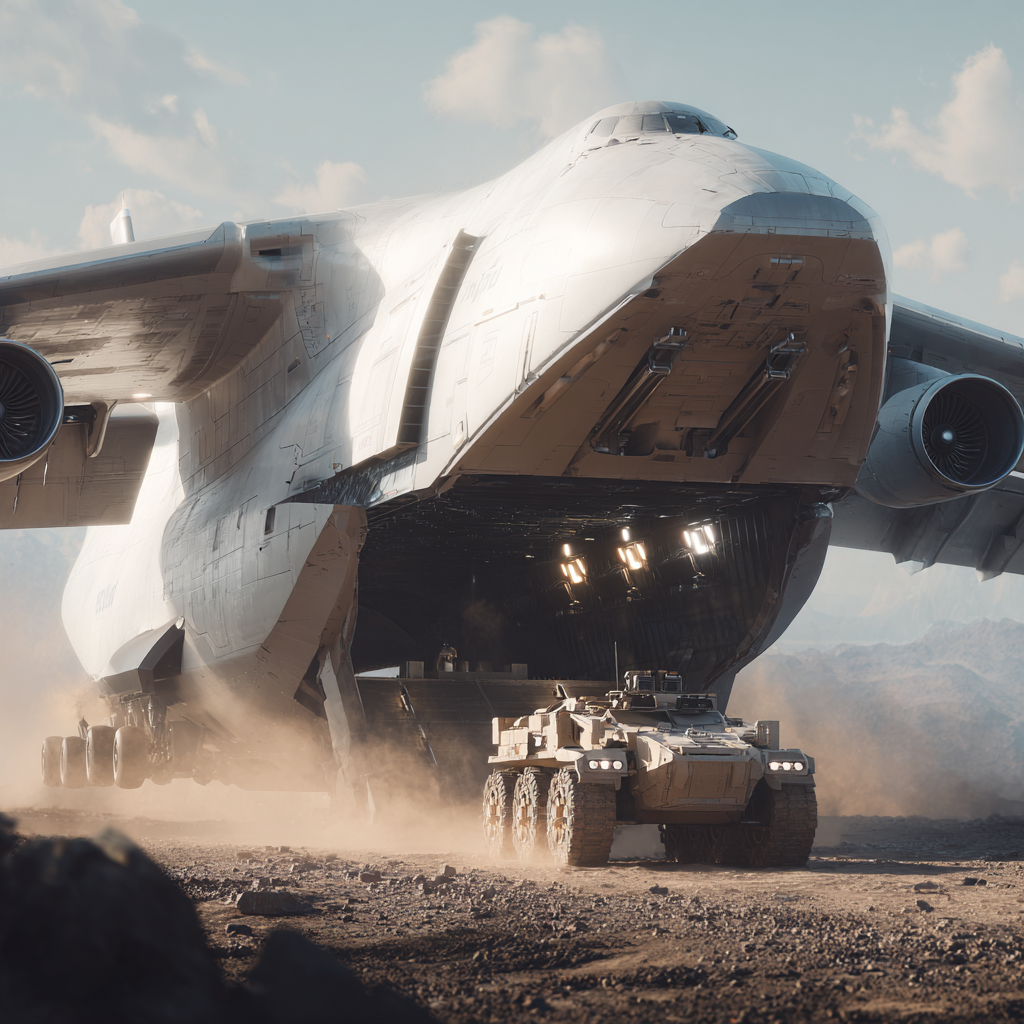
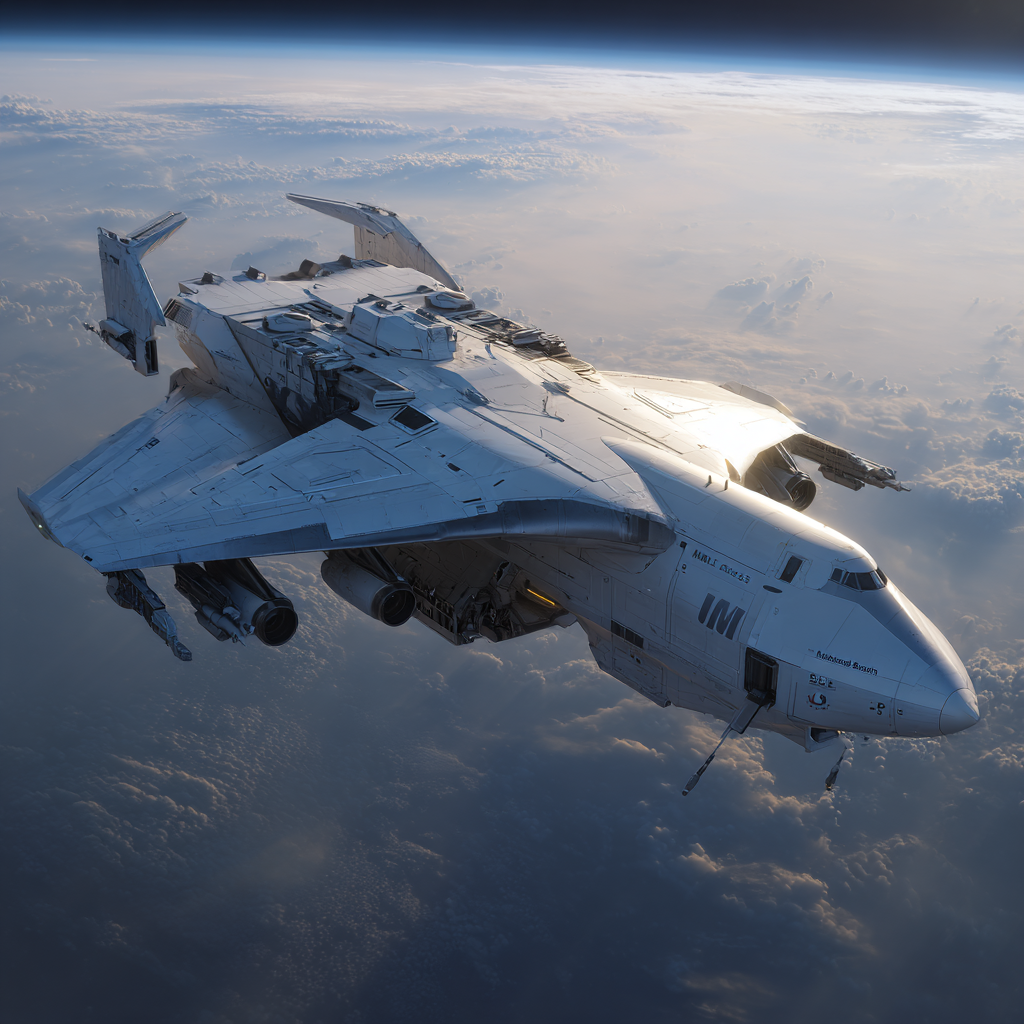
The Orca-class is the Terra Alliance’s primary heavy transport shuttle, designed to move personnel, vehicles, and equipment between orbital vessels and planetary surfaces. Its elongated white-blue hull and prominent stabilizer fins give it a distinctly aquatic silhouette—a design choice by aerospace contractor Boeing-Lockheed, a megacorp formed from the merger of aerospace companies that survived the Third World War.
At 111 meters in length, the Orca serves reliably as both dropship and cargo frigate. The central cargo bay accommodates a single heavy vehicle plus secondary loads in flanking bays. Standard configuration carries two Space Rovers alongside a primary vehicle, with reconfigurable deck plating to secure varied cargo profiles. In “air bus” configuration, it can theoretically transport up to 300 personnel.
Crew Facilities
Upper decks house crew quarters, a compact medical bay, command bridge, and passenger compartments. The quarters include private bunks and shower facilities for soldiers, premium suites for officers, a galley capable of hot meals, and a lounge for daily meetings and occasional parties. For a military transport, it’s almost comfortable—which says more about military standards than civilian ones.
Propulsion and Range
Dual fusion drives provide atmospheric and void capability. Orcas operate comfortably in gravity wells up to 6.9g and can sustain flight in dense atmospheres like Venus without difficulty. Standard Zephyrium capacity supports approximately three weeks of continuous operation before requiring resupply, though most deployments involve shorter hops between orbital platforms and surface installations. Alternatively, Riggers aboard may harvest Zephyrium from discovered mineral fields to install new batteries. When needed, its weapons hardpoints may be utilized by the infantry aboard.
The Orca lacks guns of its own and, due to the absence of warp jump capability, depends on larger vessels or Tether Arch networks for intergalactic transit. Within a planetary system, however, it can reach any moon or orbital station without external support.
Service Record
Orcas have served Alliance operations for over forty years, their design updated incrementally rather than replaced. Pilots speak of them with grudging affection—they’re not fast, not glamorous, but they get the job done. The hull plating forgives rough landings. The engines restart after conditions that would kill fancier ships. When extraction goes wrong and everything’s on fire, an Orca overhead means you’re going home.
The naming convention follows Alliance naval tradition: stellar designations for transport craft. Polaris. Vega. Arcturus. Somewhere in the fleet registry, there’s probably an Orca named after every visible star—and every one of them has brought somebody back alive.
Aegis
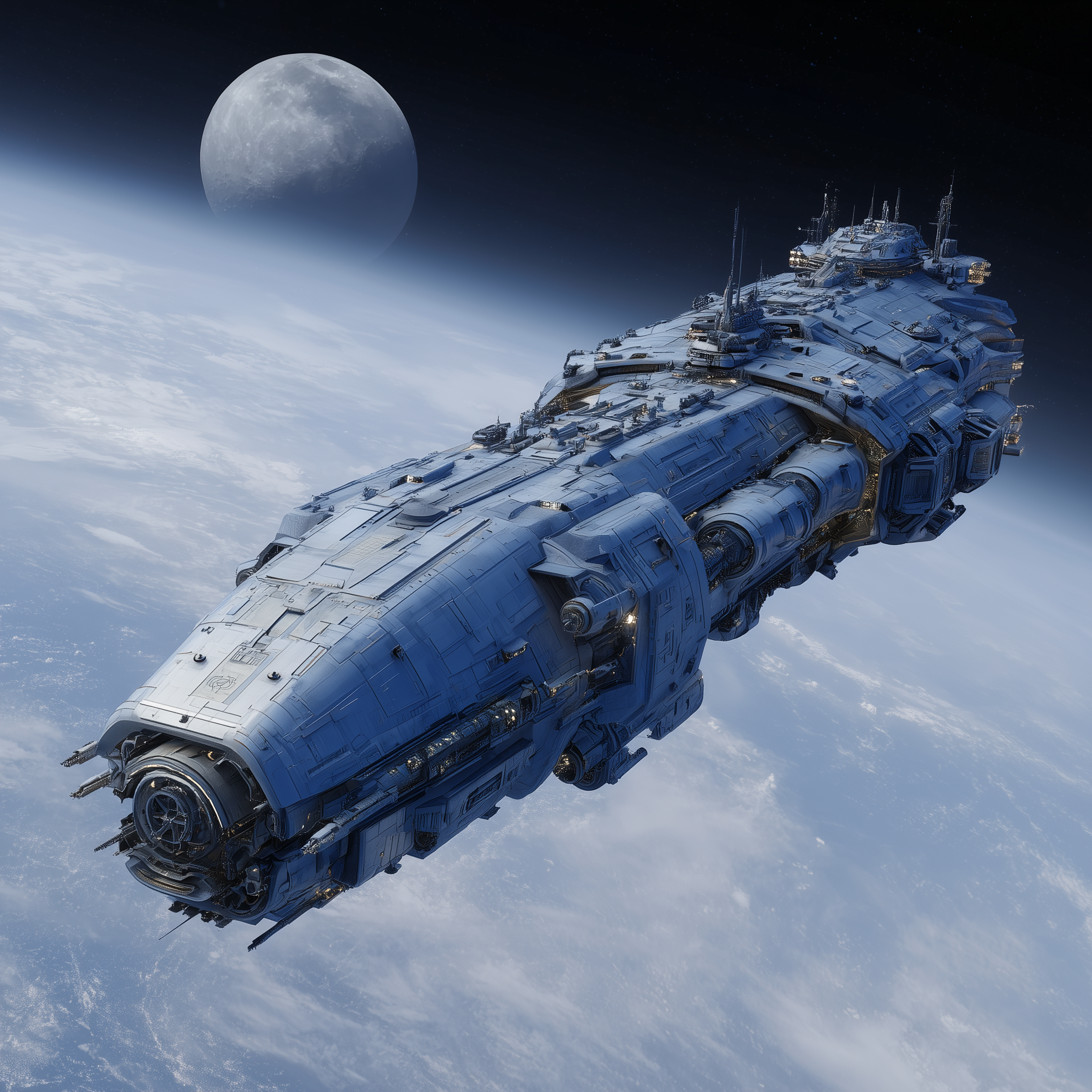
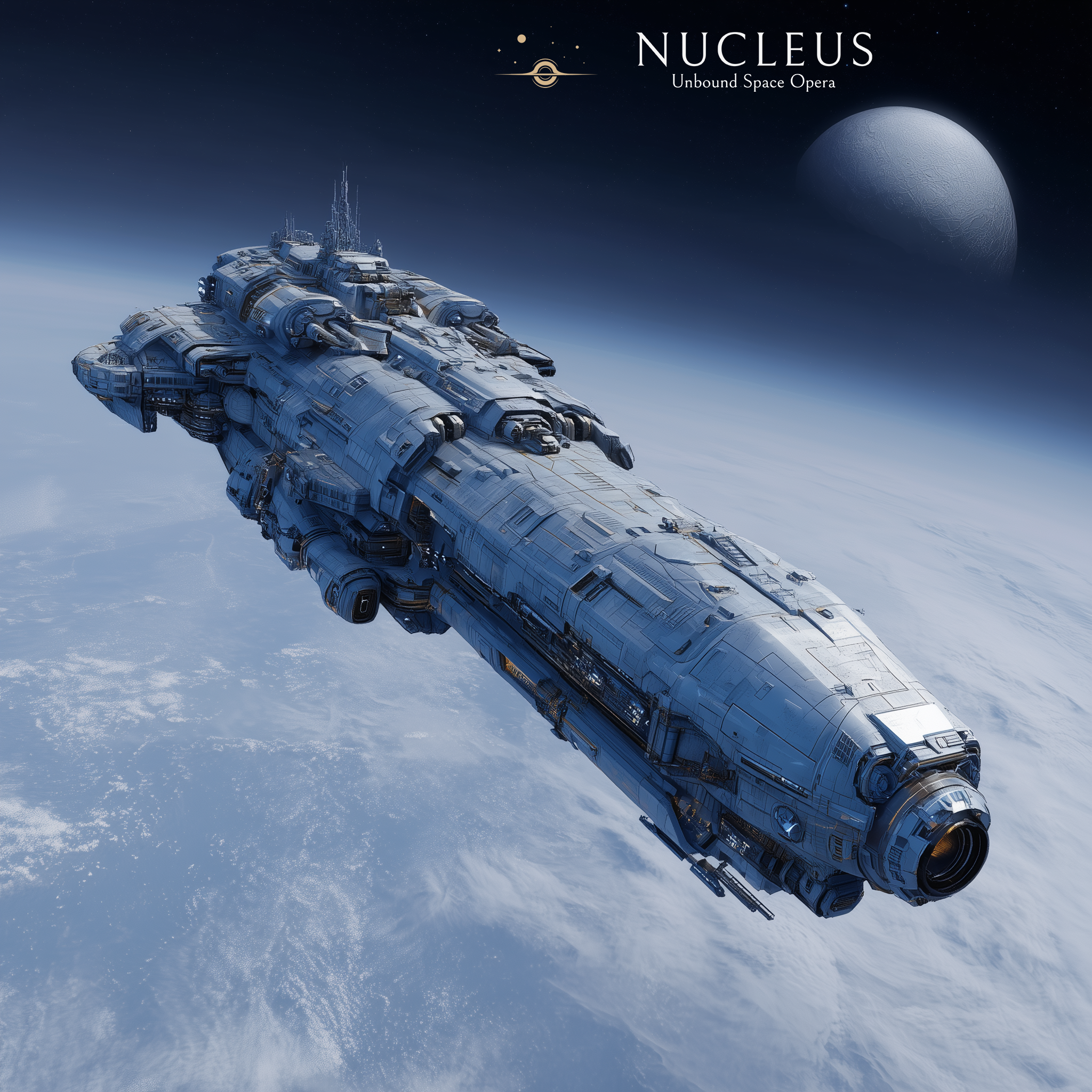
The Aegis battlecruiser embodies Terra Alliance doctrine: overwhelming firepower wrapped in impenetrable defense. Named for the mythical shield of Zeus, this 2.4-kilometer behemoth serves as both fortress and siege engine, capable of protecting entire fleets while delivering planet-cracking strikes through its signature Lovelace Cannon.
The Lovelace Cannon runs the ship’s entire frontal length—a kilometer-long psionic amplification array that channels a Psi Lynx operator’s Aether through crystalline matrices. When fired, it can punch through planetary shields, vaporize capital ships, or glass entire city blocks from orbit. The cost: total Aether depletion requiring 4-hour recovery, limiting shots to one per two days. An unresolved engineering flaw occasionally causes the weapon to parasitically drain ship power, leaving secondary systems offline for critical minutes.
Beyond its main gun, the Aegis bristles with phased array lasers, kinetic bombardment rails, with expanded quarters capable of housing 5,000 crews, with seemingly endless portions of food, gyms, lounges and fighter bays. The Corporate Chamber funding these juggernauts, however, has never provided a satifying explanation on the subpar medical services.
Unlike the Imperium’s pure-offense Dragonfort or the Directorate’s coordination-focused Constellation, the Aegis represents American pragmatism: a balanced platform that adapts to any threat. Its greatest strength—versatility—is also its weakness. Jack of all trades, master of none, critics claim. But when that Lovelace Cannon charges, even the critics fall silent.
Space Cat Thrust
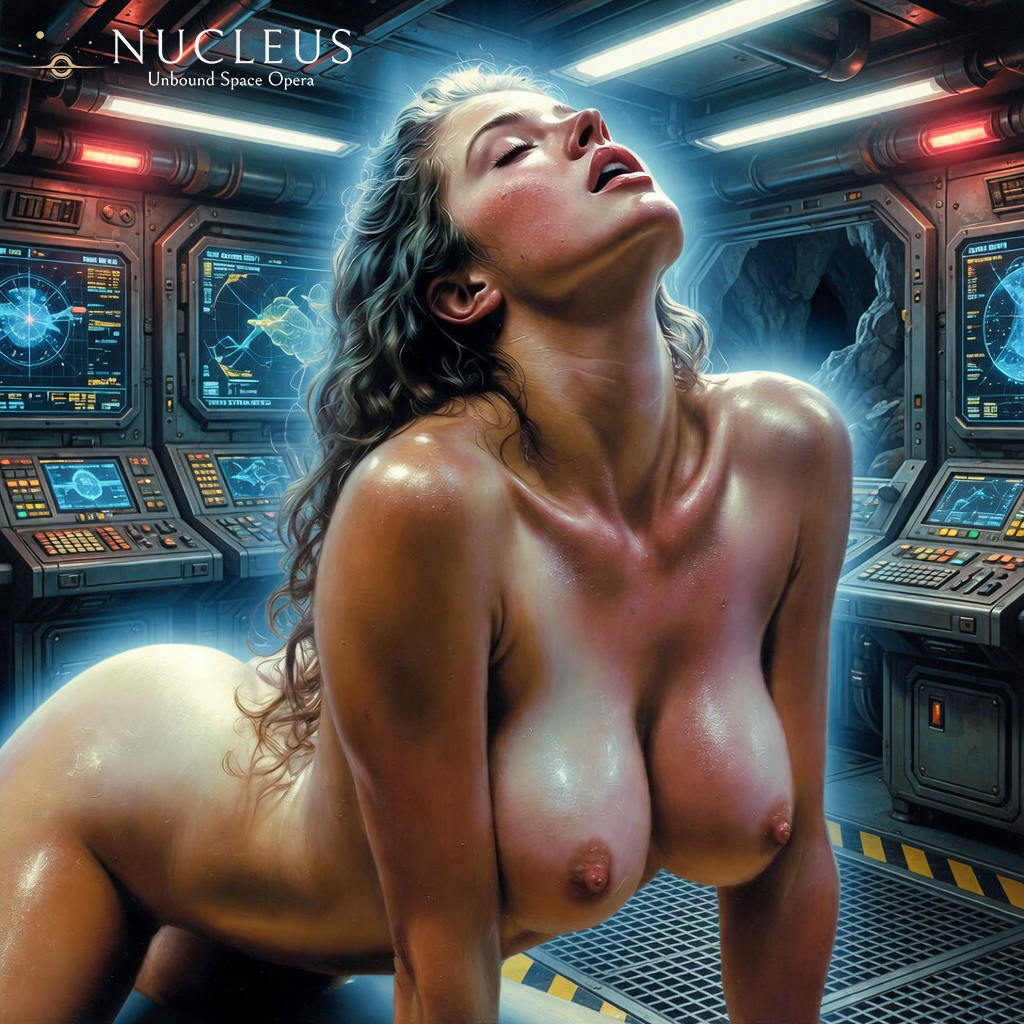
Surata Marjaryasana (सुरत मर्जर्यासन) — “Erotic Cat Posture”
In 2109, a fitness streamer in New Houston uploaded a thirty-minute instructional video titled “Space Cat Thrust: The Doggystyle Sex That Actually Works.” Within six months, three Alliance Medical Commission journals had published peer-reviewed studies on the technique’s cardiovascular, respiratory, and Aether circulation benefits. The Commission now classifies it under Integrated Wellness Practice. The PMC community simply calls it useful.
The sexual cultivation technique emerged from Indian and Japanese immigrant communities in the western United States during the early 22nd century. Yoga practitioners had long understood that spinal alignment and controlled breathing enhanced Aether flow during intimacy. What they codified was a stable four-gate sequence requiring only basic psionic aptitude—accessible enough for any certified Psi Lynx, effective enough to notice before a field deployment.
Clinically, this is yoga-informed sexual intercourse. The woman’s spine cycles through cat stretch positions while her partner takes her from behind, both following a synchronized breath rhythm that amplifies Aether exchange through sustained vaginal penetration. The Sanskrit designation appears only in academic texts now. Everyone else knows exactly what they’re doing when they roll out the mat.
Setting
Climate-controlled gym or mat room. Standard athletic flooring works fine. This technique relies on breath synchronization and gate alignment rather than fluid exchange beyond the essentials. Most Alliance facilities with private wellness rooms are suitable.
Procedure
She drops to all fours, knees hip-width apart, palms flat against the mat. Her spine begins cycling through cat stretch—rounding upward on the exhale, arching downward on the inhale. This rhythm becomes her baseline throughout the cultivation. She controls the pace. He watches, matching his breathing to hers until their lungs rise and fall together.
During the rounded phase of her spinal cycle, she angles her hips backward and upward. Her buttocks finds his cock, rimming the shaft with slow pressure. Each movement follows her breathing rhythm, her spine driving the contact. She stops when he’s fully erect and she judges him ready. The woman’s Black Gate opens through this attention to the man’s arousal.
He kneels behind her. She reaches back, guiding him inside. The penetration should match her exhale—one smooth motion as her spine rounds and her breath leaves her body. From there, they move together. Her cat stretch drives the rhythm; his thrusts follow. Depth and angle remain under her control. She arches to take him deeper, rounds to ease back. Minimum thirty minutes sustained. The Red Gate and Bodhi Gate engage through this extended vaginal intercourse, Aether flowing between them with each synchronized breath.
When she’s ready, she signals by holding the arched position—spine curved downward, hips pressed back against him, taking him as deep as her body allows. He cums inside her completely. The White Gate opens with his release. Both hold the posture for several breaths, feeling the warmth spread through her before he withdraws. They complete recovery stretches together, maintaining physical contact throughout—hands on skin, bodies close—as the Aether settles into its enhanced state.
Both participants gain Aether Boost sustained over 6 to 9 hours (duration depends on their Libido). Practitioners describe it as feeling clear rather than powerful—improved spell efficiency, shortened cooldowns, steadier aim. Not enough to dramatically alter combat capacity, but sufficient for a Psi Lynx to notice the difference when it matters.